

Per Se Meaning: Definition, Origin & Examples
The phrase per se is a commonly used Latin expression that appears in formal writing, law, business, philosophy, and everyday conversations. Many people search for per se meaning after seeing it in articles, discussions, or professional communication. Although it may look complicated, the meaning is simple when understood in context.
In simple words, per se means “by itself,” “in itself,” or “as such.”
For example:
- “The idea is not wrong per se, but the timing is not good.”
- “Money is not the problem per se; the issue is how it is used.”
The phrase is often used to clarify that something is being considered on its own rather than because of related circumstances.
In this guide, you’ll learn the per se meaning, its definition, origin, pronunciation, examples, and common uses in simple and easy-to-understand English.
Meaning & Definition
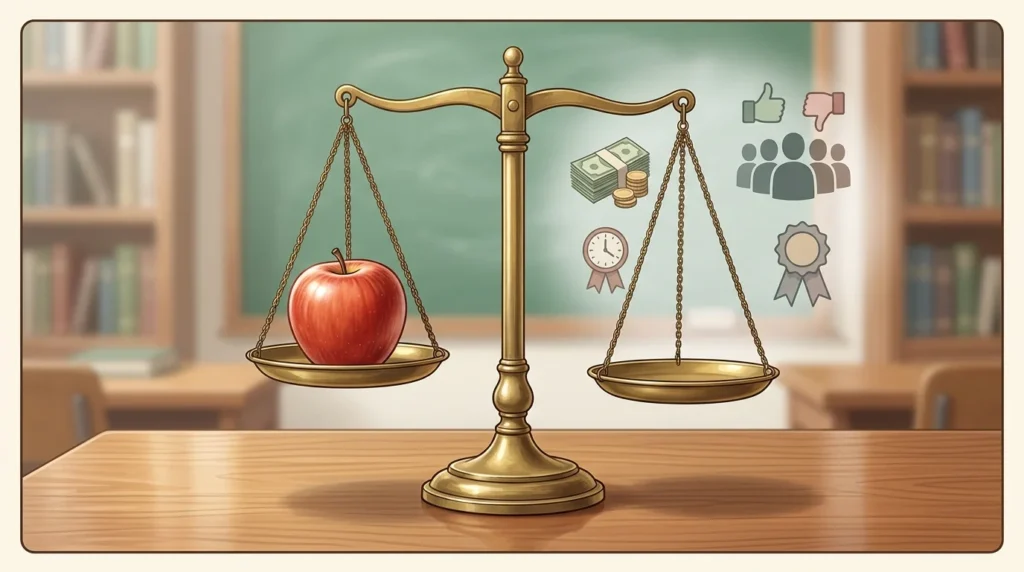
The per se meaning is:
A Latin phrase meaning “by itself” or “in its own nature, without considering other factors.”
In simple words:
Per se means looking at something alone, without adding outside influences or circumstances.
See Also: Hubris Meaning: Definition, Origin & Examples
It is commonly associated with:
- Law.
- Philosophy.
- Formal writing.
- Academic discussions.
- Business communication.
- Logical arguments.
What Does Per Se Mean in Simple Words?
In simple words, per se means something considered on its own.
It helps explain that a thing may not be good or bad by itself, but its effects depend on the situation.
Examples:
- “The rule is not unfair per se.”
- Meaning: The rule itself is not unfair, but some situations may make it seem unfair.
- “Technology is not harmful per se.”
- Meaning: Technology itself is not harmful; the way people use it matters.
Background and Origin
The phrase per se comes from Latin.
It literally means:
- Per = by, through, or by means of.
- Se = itself.
Together:
Per se = by itself / in itself.
The phrase has been used in English for centuries, especially in fields where precise meanings are important.
Today, it is commonly found in:
- Legal documents.
- Academic writing.
- Professional discussions.
- News articles.
- Everyday speech.
Per Se Meaning in Law
In legal contexts, per se is frequently used to describe something that is automatically considered a certain way under specific rules or principles.
Examples:
- Per se illegal means an action is considered illegal by its nature, without needing additional proof of harm.
Lawyers and courts often use this phrase because it helps describe whether something is judged based on the act itself or surrounding circumstances.
Per Se Meaning in Everyday Conversation
In casual conversations, people use per se to make a distinction between something itself and the results connected to it.
Examples:
- “I don’t dislike the job per se, but I don’t enjoy the environment.”
- “The movie wasn’t bad per se, but it was too long.”
The phrase helps express a more balanced opinion.
How to Pronounce Per Se
The phrase per se is commonly pronounced as:
per SAY
The stress is placed on the second word.
Although it comes from Latin, the English pronunciation is usually simple and commonly used in conversations, writing, and professional discussions.
How to Use Per Se in a Sentence
Here are a few examples:
- The plan is not bad per se, but it needs improvement.
- I don’t dislike the restaurant per se, but the service was slow.
- The idea is not impossible per se, but it may be difficult to achieve.
- Social media is not harmful per se; it depends on how people use it.
- The product is not expensive per se, but it offers limited features.
These examples show that per se is used to separate something’s basic nature from other factors.
Per Se vs In Itself
People often compare per se with the phrase “in itself.”
Per Se
Per se is a Latin phrase often used in formal, legal, or academic contexts.
In Itself
In itself is the common English equivalent and is used more casually.
Examples:
- “The idea is not wrong per se.”
- “The idea is not wrong in itself.”
Both sentences have nearly the same meaning.
Common Misunderstandings About Per Se
A common misunderstanding is that per se means always or completely. In reality, it means something is being considered by itself without additional circumstances.
Another misconception is that per se is only used by lawyers. While it is common in law, people also use it in everyday conversations and professional discussions.
Some people also confuse per se with similar-sounding words. The correct spelling is always per se (two separate words).
See Also: Rapport Meaning: Definition, Examples & How to Build It
Why Read Meanings on Punz Trend?

Many Latin phrases and advanced English expressions are difficult to understand without examples. Punz Trend explains vocabulary, foreign phrases, internet slang, abbreviations, names, and everyday expressions with simple definitions, origins, examples, comparisons, and practical usage to make learning easier.
Frequently Asked Questions
What does per se mean?
Per se means “by itself,” “in itself,” or “as such.” It describes something considered independently from other factors.
Is per se an English word?
No. Per se is a Latin phrase that has become commonly used in English.
How do you pronounce per se?
It is pronounced per SAY.
Is per se used in law?
Yes. Per se is frequently used in legal language, especially in phrases like “per se illegal.”
Can per se be used in normal conversation?
Yes. People use per se in everyday speech to clarify that something is not necessarily good or bad by itself.
Conclusion
The per se meaning is “by itself” or “in itself.” This Latin phrase helps explain that something should be judged based on its own nature rather than outside factors. While it is common in law and formal writing, it is also useful in everyday conversations when making careful distinctions.
See Also: Selah Meaning: Biblical Definition, Origin & Symbolism