Cringe Meaning: Definition, Origin, Slang & Examples
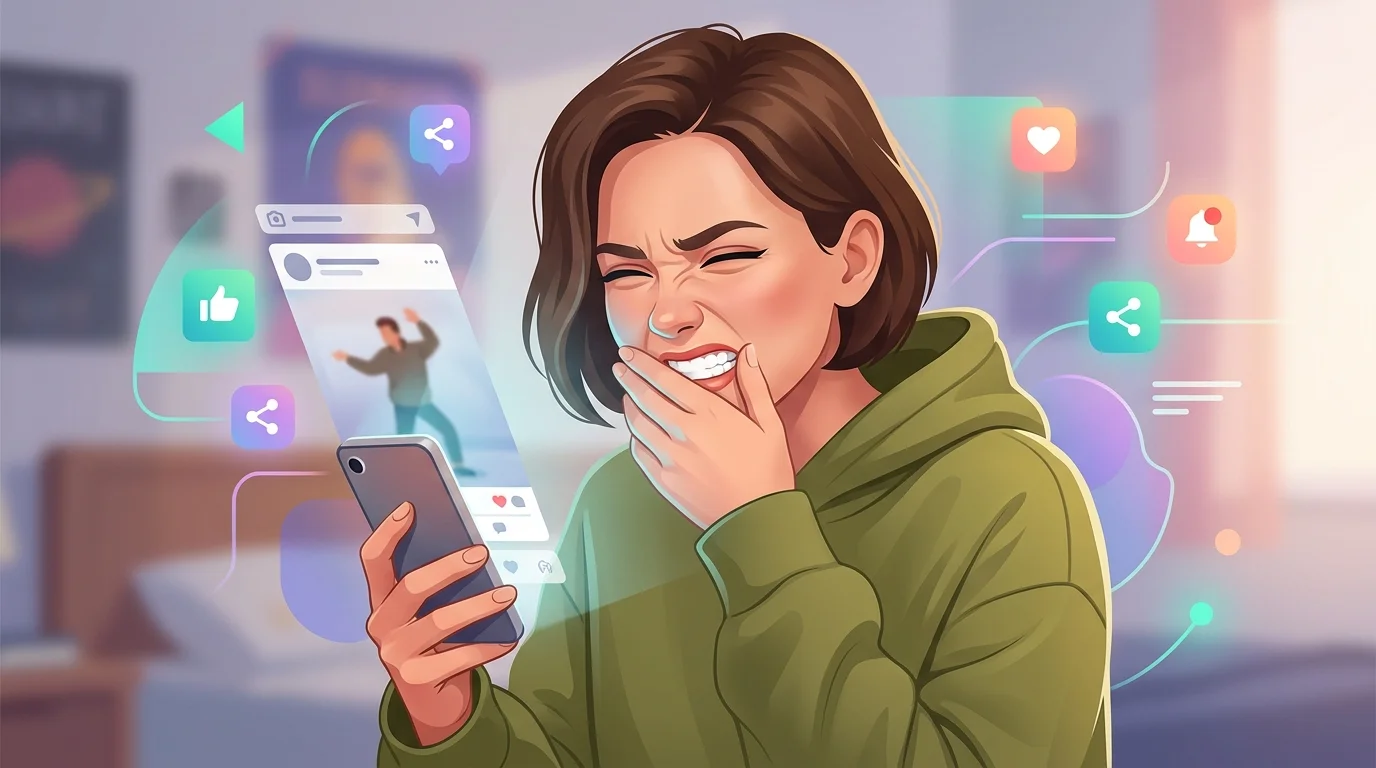
The word cringe is a popular expression used in everyday conversations, social media, movies, and internet culture. Many people search for cringe meaning after seeing it in memes, comments, or online discussions. The word is often used to describe something embarrassing, uncomfortable, or awkward.
In simple words, cringe means to feel embarrassed, uncomfortable, or awkward because of something someone does or says.
For example:
- “That video was so cringe.”
- “I cringed when he told that embarrassing joke.”
The word can describe both a personal reaction and something that causes embarrassment.
In this guide, you’ll learn the cringe meaning, its definition, origin, pronunciation, examples, and common uses in simple and easy-to-understand English.
Meaning & Definition
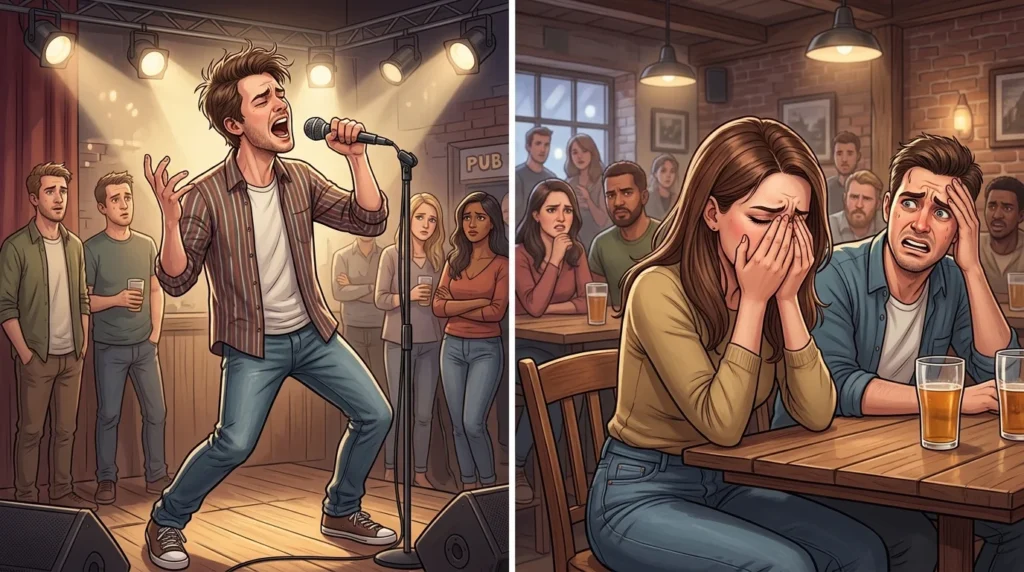
The cringe meaning is:
A feeling of embarrassment, discomfort, or awkwardness caused by a person, situation, or behavior.
In simple words:
Cringe describes something that makes you feel uncomfortable because it seems embarrassing or awkward.
It is commonly associated with:
- Embarrassing moments.
- Awkward behavior.
- Bad jokes.
- Uncomfortable situations.
- Internet culture.
- Social media trends.
- Secondhand embarrassment.
What Does Cringe Mean in Simple Words?
In simple words, cringe means feeling uncomfortable because something is embarrassing or awkward.
A person may cringe when they see:
- Someone acting awkwardly.
- A bad performance.
- An embarrassing mistake.
- An overly dramatic situation.
Examples:
- Watching an old embarrassing photo of yourself.
- Hearing someone tell a very bad joke.
- Seeing someone trying too hard to look cool.
Background and Origin
The word cringe has been used in English for hundreds of years.
It comes from the Old English word:
cringan
Meaning:
- To bend.
- To shrink.
- To fall back.
Originally, cringe described a physical reaction, such as shrinking away or bending down because of fear or discomfort.
Over time, the meaning expanded to describe an emotional reaction where someone feels embarrassed or uncomfortable.
Today, the word is especially popular because of:
- Social media.
- Memes.
- Online videos.
- Internet communities.
Cringe Meaning in Slang
In modern slang, cringe is often used to describe something that feels embarrassing or awkward.
Examples:
- “That pickup line was cringe.”
- “His dancing was so cringe.”
- “This trend is becoming cringe.”
On the internet, people often use cringe to criticize content, behavior, or trends that feel uncomfortable to watch.
Cringe Meaning in Social Media
On platforms like TikTok, Instagram, YouTube, and Reddit, cringe has become a common way to describe content that creates secondhand embarrassment.
See Also: Skibidi Meaning: Slang, Origin & Meme Explained
Examples include:
- Overly dramatic videos.
- Forced jokes.
- Fake reactions.
- Awkward performances.
- Unnatural behavior.
However, some people also use the word humorously to describe themselves or things they enjoy.
How to Pronounce Cringe
The word cringe is commonly pronounced as:
krinj
It rhymes with words like:
- Hinge.
- Singe.
- Fringe.
The pronunciation is the same in both American and British English.
How to Use Cringe in a Sentence
Here are a few examples:
- I had to look away because the scene was so cringe.
- That joke was really cringe.
- She felt herself cringe after hearing the embarrassing comment.
- The old video made him cringe.
- Many people think that trend is becoming cringe.
These examples show that cringe can describe both a feeling and something that causes that feeling.
Cringe vs Embarrassing
People often compare cringe with embarrassing, but they are slightly different.
Cringe
Cringe usually describes the uncomfortable feeling you get when watching or experiencing something awkward.
Embarrassing
Embarrassing describes a situation that causes shame or discomfort, especially for the person involved.
In simple words:
- Cringe = the uncomfortable reaction.
- Embarrassing = the situation that causes discomfort.
Example:
- “His speech was embarrassing.”
- “I cringed while watching his speech.”
Common Misunderstandings About Cringe
A common misunderstanding is that cringe always means something bad. While it is often used negatively, people sometimes use it jokingly or affectionately.
Another misconception is that cringe only applies to other people. People can also describe their own past actions as cringe.
See Also: Patronize Meaning: Definition, Uses & Examples
Example:
- “My old fashion style was so cringe.”
Some people also think cringe only belongs to internet culture. However, the word has existed in English for centuries and was used before social media became popular.
Why Read Meanings on Punz Trend?

Many slang words change meaning over time and become popular through online culture. Punz Trend explains slang, texting abbreviations, vocabulary, historical terms, names, and everyday expressions with simple definitions, origins, examples, comparisons, and practical usage to make learning easier.
Frequently Asked Questions
What does cringe mean?
Cringe means feeling embarrassed, uncomfortable, or awkward because of something someone does or says.
Is cringe a bad word?
No. Cringe is not a bad word, but it is often used to criticize something that feels awkward or embarrassing.
What does cringe mean in slang?
In slang, cringe describes something that feels awkward, forced, embarrassing, or uncomfortable to watch.
Why do people say something is cringe?
People say something is cringe when they feel it is awkward, unnatural, embarrassing, or trying too hard.
Can you use cringe for yourself?
Yes. People often say their own past actions were cringe when remembering embarrassing moments.
Conclusion
The cringe meaning refers to a feeling of discomfort or embarrassment caused by awkward or embarrassing situations. Originally describing a physical reaction of shrinking back, the word has evolved into a popular slang term used widely in internet culture, social media, and everyday conversations.