
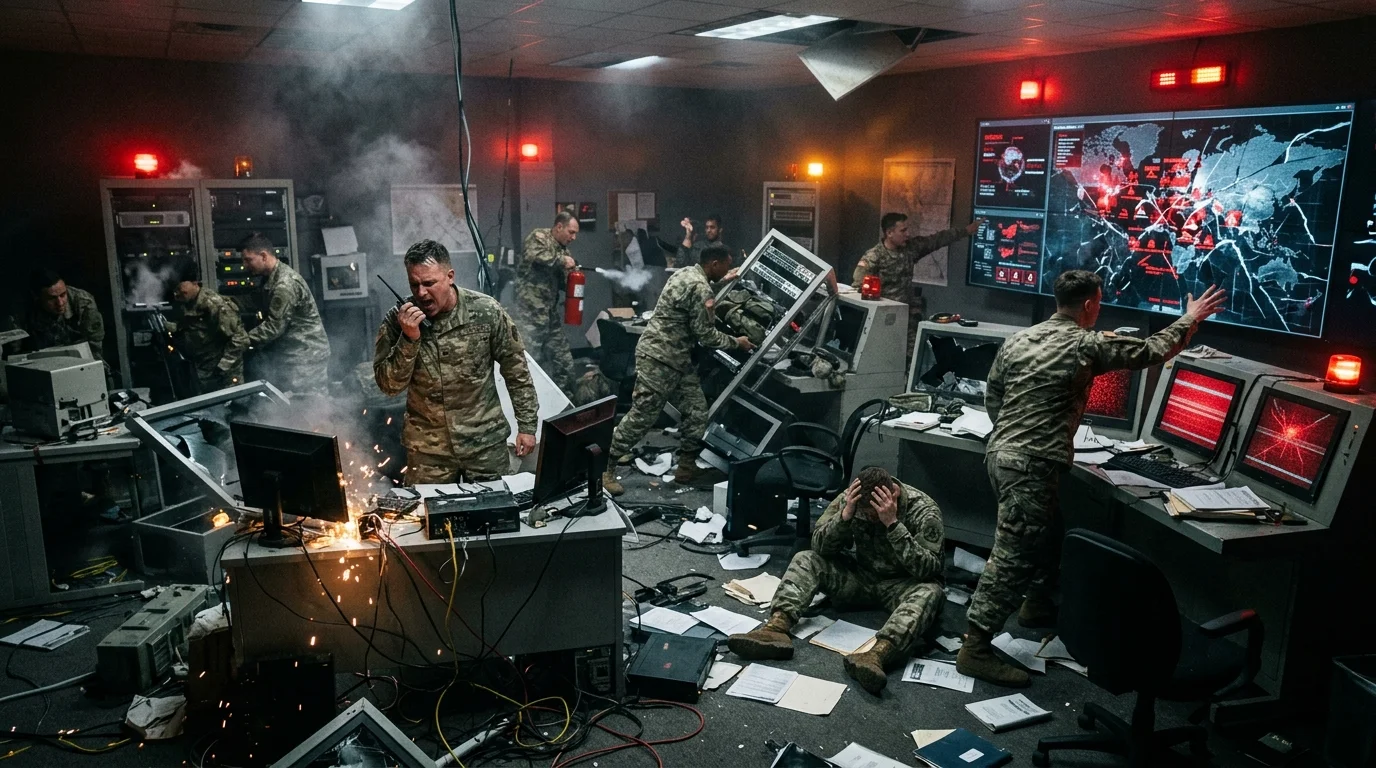
FUBAR Meaning: Definition, Origin & Military Slang
The term FUBAR is a well-known military acronym that later became popular in everyday English, movies, television, and internet culture. Many people search for FUBAR meaning after hearing it in war films, workplace conversations, gaming, or social media. Although the acronym originally contained strong profanity, it is now often used more generally to describe situations that have gone completely wrong.
In simple words, FUBAR means a situation that is extremely damaged, chaotic, or beyond repair.
For example:
- “The project is completely FUBAR.”
- “Everything went FUBAR after the system crashed.”
Because the original phrase includes offensive language, many people simply use FUBAR without expanding the acronym.
In this guide, you’ll learn the FUBAR meaning, its definition, origin, pronunciation, history, and common uses in simple and easy-to-understand English.
Meaning & Definition

The FUBAR meaning is:
An acronym used to describe something that is badly damaged, completely disorganized, or beyond repair.
In simple words:
FUBAR means everything has gone terribly wrong.
It is commonly associated with:
- Military slang.
- Chaos.
- Serious mistakes.
- Failure.
- Confusion.
- Broken systems.
- Workplace problems.
- Informal conversations.
Today, the abbreviation is often used without explaining its original wording because it contains profanity.
What Does FUBAR Mean in Simple Words?
In simple words, FUBAR describes a situation that has become:
- Completely messed up.
- Extremely disorganized.
- Difficult or impossible to fix.
- Out of control.
People often use it humorously when something goes very badly.
Background and Origin
The term FUBAR originated during World War II among American military personnel.
It was created as military slang to describe equipment, missions, or situations that had become severely damaged or hopelessly disorganized.
Although the original expansion contains offensive language, the acronym itself became widely recognized and later spread into civilian language.
Today, FUBAR appears in:
- Military history.
- Movies.
- Television.
- Video games.
- Workplace conversations.
- Internet discussions.
FUBAR Meaning in Military Slang
In military slang, FUBAR referred to situations where:
- Equipment failed.
- Missions collapsed.
- Plans went completely wrong.
- Conditions became chaotic.
Soldiers used the expression to describe circumstances that seemed impossible to recover from.
It became one of the most recognizable military acronyms from World War II.
See Also: Shalom Meaning: Definition, Origin & Spiritual Significance
FUBAR Meaning in Everyday English
Today, people use FUBAR more generally to describe major problems.
Examples include:
- Computer systems crashing.
- Failed business projects.
- Travel plans falling apart.
- Serious organizational mistakes.
- Unexpected disasters.
In modern usage, the emphasis is usually on the idea that a situation has become extremely chaotic or badly damaged.
How to Pronounce FUBAR
The acronym FUBAR is commonly pronounced as:
FOO-bar
The first syllable sounds like “foo,” followed by “bar.”
This pronunciation is widely used in both military and civilian conversations.
How to Use FUBAR in a Sentence
Here are a few examples:
- The software update went completely FUBAR.
- Our travel plans became FUBAR after the flight was canceled.
- The project was FUBAR before it even started.
- Everyone agreed the situation had gone FUBAR.
- The old equipment was completely FUBAR after the storm.
These examples show that FUBAR is used to describe situations that have become seriously disorganized or damaged.
FUBAR vs SNAFU
People often compare FUBAR with another military acronym: SNAFU.
FUBAR
FUBAR describes a situation that is severely damaged, chaotic, or beyond repair.
SNAFU
SNAFU usually refers to confusion, disorder, or problems caused by mistakes or poor organization, but not necessarily something beyond recovery.
In simple words, FUBAR generally suggests a worse situation than SNAFU.
Common Misunderstandings About FUBAR
A common misunderstanding is that FUBAR is appropriate for formal communication. Since the original phrase contains profanity, the acronym is best avoided in professional documents or formal business writing.
Another misconception is that FUBAR only refers to military situations. Although it began as military slang, it is now widely used to describe problems in business, technology, travel, and everyday life.
See Also: Complacent Meaning: Definition, Examples & Usage
Some people also assume the acronym always has to be expanded. In most modern conversations, people simply say FUBAR without explaining the original phrase.
Why Read Meanings on Punz Trend?

Many military acronyms, internet slang, and everyday expressions have fascinating histories that people often overlook. Punz Trend explains abbreviations, slang, historical words, names, and everyday English with simple definitions, origins, examples, comparisons, and practical usage to make learning easier.
Frequently Asked Questions
What does FUBAR mean?
FUBAR is a military acronym commonly used to describe a situation that is completely chaotic, badly damaged, or beyond repair.
Where did FUBAR come from?
The term originated during World War II as American military slang.
Is FUBAR considered offensive?
The acronym comes from a phrase containing profanity, so while many people say FUBAR without expanding it, it may still be considered informal or inappropriate in professional settings.
Is FUBAR still used today?
Yes. FUBAR is commonly used in movies, television, gaming, internet culture, and casual conversations.
What is the difference between FUBAR and SNAFU?
FUBAR usually describes a situation that is beyond repair, while SNAFU generally refers to confusion or organizational problems that may still be fixable.
Conclusion
The FUBAR meaning refers to a situation that has become severely damaged, chaotic, or beyond repair. Although it originated as World War II military slang, the acronym is now widely recognized in modern English as a humorous way to describe major problems or complete disorder.
See Also: Ironic Meaning: Definition, Examples & Types Explained