
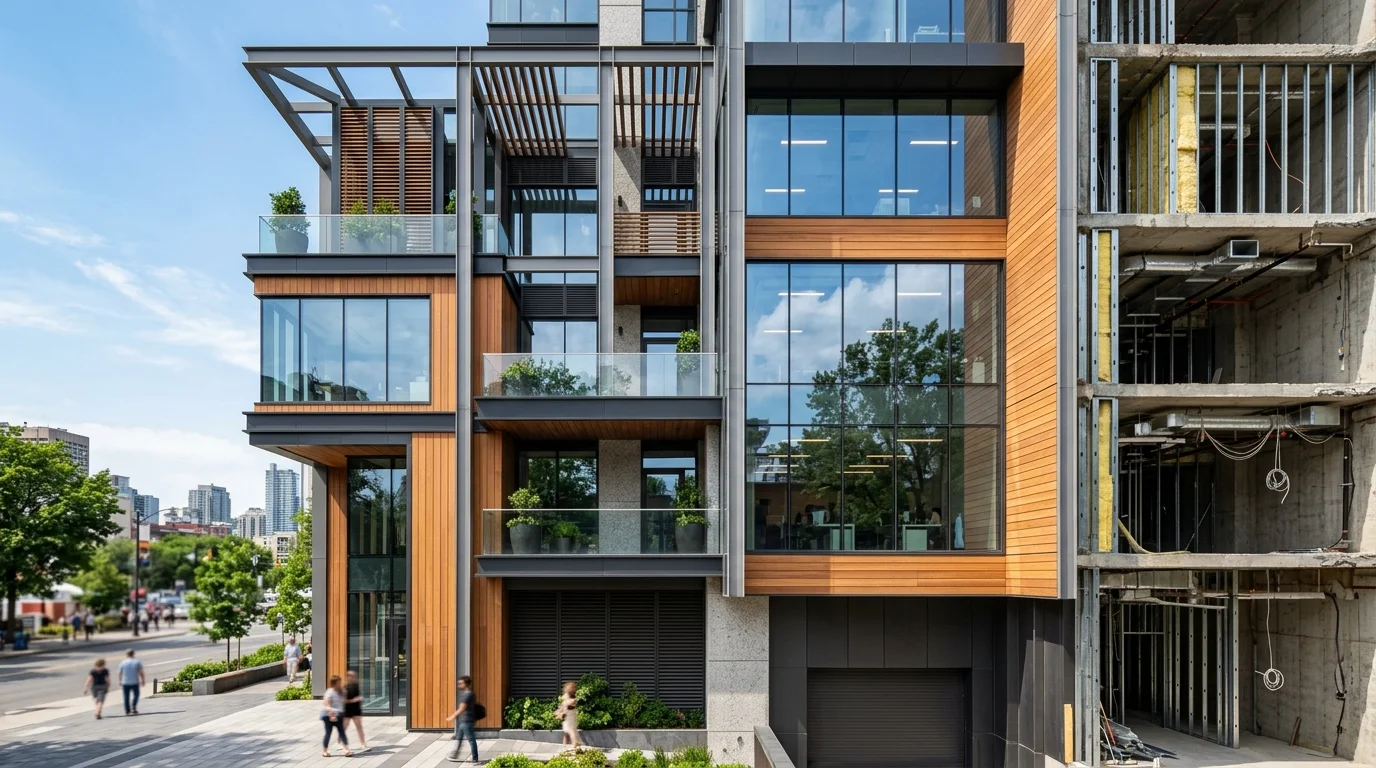
Facade Meaning: Definition, Origin & Examples
The word facade is commonly used in architecture, everyday conversations, psychology, and literature. Many people search for facade meaning after hearing phrases like “He is hiding behind a facade” or seeing the word used to describe the front of a building. Because the word has both a literal and figurative meaning, understanding the context is important.
In simple words, facade means the front exterior appearance of a building or a false appearance that someone presents to others. It can describe the visible front of a structure, or it can refer to a person pretending to feel or be something different from reality.
For example, a beautiful building facade refers to the outside design of a building. On the other hand, someone who acts confident while secretly feeling nervous may be described as putting up a facade.
The word is often used to discuss appearances, identity, emotions, and the difference between what people see and what is actually happening.
In this guide, you’ll learn the facade meaning, its definition, origin, background, and how it is used in different contexts. Whether you have encountered this word in architecture, conversations, movies, or books, this article explains everything in simple and easy-to-understand English.
Meaning & Definition
The facade meaning depends on how the word is used.
Meaning 1: The Front of a Building
In architecture, a facade refers to the front exterior surface or face of a building.
It includes visible design elements such as:
- Windows.
- Doors.
- Walls.
- Decorative features.
- Architectural styles.
Examples:
- “The building has a beautiful glass facade.”
- “The historic facade was carefully restored.”
In this context, facade is a neutral word that simply describes the outside appearance of a structure.
Meaning 2: A False Appearance
In everyday language, facade can mean a false or misleading appearance that hides the truth.
In simple words:
A facade is when someone appears to be one way on the outside while feeling or being different inside.
Examples:
- “His confidence was only a facade.”
- “She maintained a happy facade despite her problems.”
- “The company created a facade of success.”
In this meaning, facade suggests that something is not exactly what it appears to be.
See Also: Masque Meaning: Definition, History & Beauty Uses
Background and Origin
The word facade comes from the French word façade, meaning front or face. It is derived from the French word face, which comes from the Latin word facies, meaning appearance or form.
The word originally referred mainly to the front of buildings in architecture. Over time, people began using it metaphorically to describe the outward appearance people create to hide their true feelings, intentions, or situations.
Today, facade is widely used in both physical and emotional contexts.
What Does Facade Mean in Simple Words?
In simple words, facade means the outside appearance of something, which may or may not show the true reality behind it.
Examples:
- A building’s facade is its outer front design.
- A person’s friendly attitude may be a facade if they are actually upset.
The key idea behind the word is appearance versus reality.
Facade Meaning in Architecture
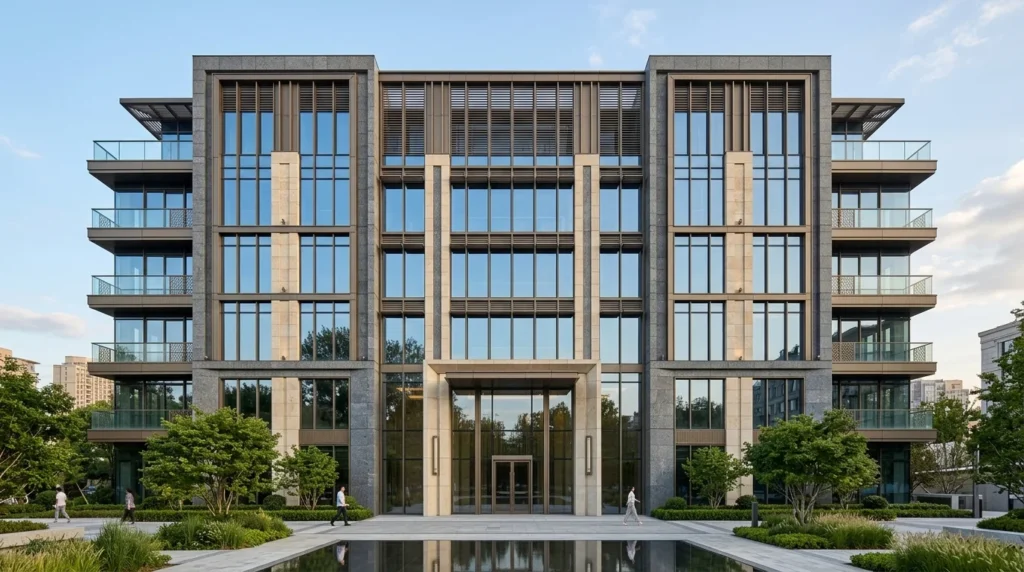
In architecture, a facade is one of the most important visual parts of a building. It is usually the side facing a street or public area and often represents the style and character of the structure.
Architects design facades using different materials and styles, including:
- Glass.
- Stone.
- Brick.
- Metal.
- Wood.
A well-designed facade can make a building attractive, recognizable, and unique.
Examples:
- “The museum has a modern facade made of glass.”
- “The old facade gives the building historical charm.”
Unlike the figurative meaning, an architectural facade is not fake—it simply refers to the visible exterior.
See Also: MIA Meaning: Definition, Texting, Slang & Examples
Facade Meaning in Everyday Conversations
In everyday conversations, facade is often used to describe a person’s outward behavior that hides their real emotions, thoughts, or situation. It suggests that someone is presenting a version of themselves that may not match reality.
For example, a person may appear calm and confident during a difficult situation, but internally they may feel worried or stressed. In this case, their confidence could be described as a facade.
Examples:
- “His cheerful personality was just a facade.”
- “She put up a strong facade after the disappointment.”
- “Behind his professional facade, he was feeling overwhelmed.”
In this context, facade is often connected with emotions, personality, and the way people present themselves to others.
Facade Meaning in Psychology
In psychology and personal development, a facade refers to a protective outer image that people create to hide their true feelings or vulnerabilities.
People may create a facade because they want to:
- Avoid showing weakness.
- Protect themselves from judgment.
- Appear more confident.
- Hide emotional struggles.
- Maintain a certain image.
For example, someone may always act happy around others while secretly dealing with stress or sadness. Their cheerful behavior may be a facade that hides their true emotions.
However, not every outward behavior is fake. Sometimes people simply choose to stay positive or private without intentionally pretending.
Facade vs Mask Difference Explained
Many people confuse facade and mask because both words describe hiding something.
The difference is:
- Facade refers to a false appearance or image presented to others.
- Mask refers to something used to hide feelings, identity, or intentions.
For example:
- “His confidence was a facade.”
(His confidence may not have been real.) - “She wore a mask of happiness.”
(She hid her true emotions.)
Both words can describe hiding the truth, but facade often focuses more on the overall appearance someone creates.
How to Use Facade in a Sentence

Here are a few simple examples:
- The old building’s facade was beautifully restored.
- His confidence was only a facade.
- She created a facade of happiness during difficult times.
- The company’s success was just a facade.
- The modern facade made the building look impressive.
These examples show that facade can be used in both physical and emotional situations.
Common Misunderstandings About Facade
A common misunderstanding is that facade always means something fake or dishonest. While the figurative meaning often suggests a false appearance, the architectural meaning is completely neutral.
Another misconception is that having a facade always means someone is lying. Sometimes people naturally hide certain emotions or choose to present themselves in a specific way without trying to deceive others.
The meaning depends on the context in which the word is used.
Why Read Meanings on Punz Trend?
Many English words have deeper meanings that change depending on their context. Punz Trend explains vocabulary, phrases, and expressions with simple definitions, origins, examples, comparisons, and practical usage to help readers improve their English skills.
Frequently Asked Questions
What does facade mean?
Facade means the front exterior of a building or a false appearance that hides someone’s true feelings or reality.
What does facade mean in simple words?
In simple words, facade means the way something looks from the outside, which may be different from what is actually happening.
Is facade a negative word?
Not always. In architecture, facade is a neutral word. In personal situations, it can have a negative meaning because it may suggest pretending or hiding the truth.
What is an example of a facade?
Example: A person acting happy while secretly feeling upset may be creating a facade of happiness.
What is the difference between facade and mask?
A facade is an overall false appearance, while a mask is something used to hide feelings, identity, or intentions.
Conclusion
The facade meaning is based on the idea of outward appearance. It can describe the visible front of a building or a false image someone presents to others. In architecture, a facade represents design and beauty, while in everyday language it often refers to hiding true emotions or reality. Understanding the context helps you recognize which meaning is intended. For more easy-to-understand vocabulary guides and English word meanings, Punz Trend is your trusted source for learning.