
Disposition Meaning: Psychology, Personality & Uses Explained
Have you ever wondered why some people naturally seem calm, friendly, and positive while others appear serious, reserved, or easily frustrated? The answer often relates to a person’s disposition. The word disposition meaning is commonly searched because it describes something deeper than a temporary mood. It refers to a person’s natural tendency, emotional nature, attitude, or typical way of behaving in different situations.
You may encounter this word in everyday conversations, psychology discussions, legal documents, medical reports, or even real estate contexts. Because disposition has multiple meanings depending on the situation, many people look for a simple explanation of what it actually means.
In this complete guide, we will explain what does disposition mean in simple words, its role in personality and behavior, psychological meaning, legal and professional uses, examples, differences from related words, and how to use it correctly in sentences. If you are searching for clear explanations of unfamiliar words and phrases, Punz Trend provides easy-to-understand meaning guides that help you understand language from different fields.
Meaning & Definition
The word disposition refers to a person’s natural qualities, attitude, feelings, or usual way of responding to people and situations. In simple terms, it describes the kind of personality or emotional nature someone tends to show most of the time.
For example, a person who is usually cheerful, helpful, and friendly may be described as having a positive disposition. Someone who often appears negative, impatient, or easily annoyed may be described as having a negative disposition.
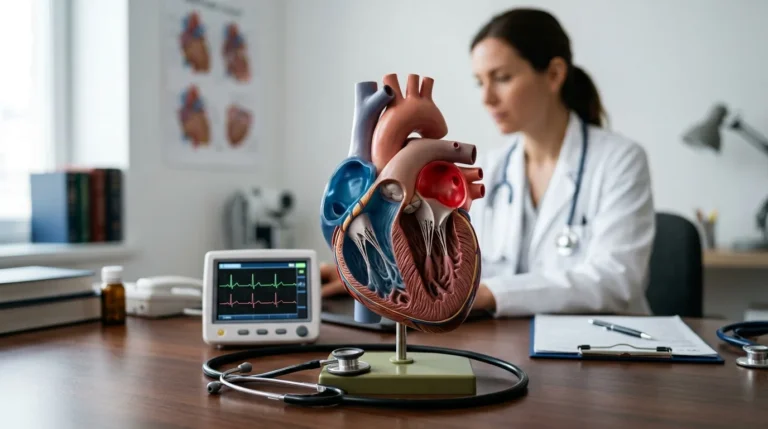
The meaning of disposition can change depending on the context. In psychology, it refers to patterns of behavior and personality traits. In law, it can refer to the final decision or outcome of a court case. In medicine, it may describe what happens to a patient after treatment, such as being discharged or transferred.
The key idea behind disposition is a person’s or thing’s natural tendency, arrangement, or final outcome. Understanding the context helps determine which meaning applies.
Background
The concept of disposition has been used for centuries to describe human nature, personality, and behavior. The word comes from Latin and French origins, where it was connected with ideas of arrangement, placement, and natural qualities. Over time, its meaning expanded to include how people naturally think, feel, and act.
In early philosophical and psychological discussions, disposition was often linked with temperament and character. Thinkers explored why individuals react differently to similar situations and whether these differences come from natural tendencies or life experiences.
Today, the term is widely used in psychology, education, business, law, healthcare, and everyday communication. A teacher might describe a student’s cheerful disposition, a doctor might discuss a patient’s medical disposition, or a lawyer might refer to the disposition of a legal case.
Because the word has developed multiple meanings over time, understanding its background helps explain why it appears in so many different areas.
Usage in Different Contexts
The word disposition has several meanings depending on where it is used. In everyday language, it usually describes someone’s personality, mood, or natural behavior. For example, saying “she has a kind disposition” means she naturally behaves in a caring and pleasant way.
In psychology, disposition relates to stable patterns of thinking, feeling, and behaving. It helps describe personality traits and emotional tendencies that influence how people interact with the world.
In legal contexts, disposition meaning in law refers to the final outcome or decision of a court case. For example, a case may have a disposition such as dismissed, settled, or resolved.
In healthcare, medical disposition meaning refers to what happens to a patient after evaluation or treatment, such as being admitted to a hospital, discharged, or transferred.
In real estate and business, disposition can describe the process of selling, transferring, or managing assets. These different meanings show why context is essential when understanding the word.
What Does Disposition Mean in Simple Words?
The simplest explanation of what does disposition mean in simple words is that it describes the way someone naturally behaves, feels, or reacts. It is like a person’s usual emotional style or personality pattern.
For example:
- A person who smiles often and enjoys helping others has a friendly disposition.
- Someone who stays calm during difficult situations has a calm disposition.
- A person who frequently expects problems may have a pessimistic disposition.
Disposition is not just about a person’s current mood. A person can feel tired or stressed on one day but still have a generally positive disposition. It describes a more consistent pattern that people notice over time.
The word can also describe the tendency of objects, situations, or cases depending on the context. However, when people ask about disposition in everyday conversations, they usually mean personality, attitude, or character.
In short, disposition is the natural way someone tends to think, feel, and behave.
Disposition Meaning in Psychology Explained
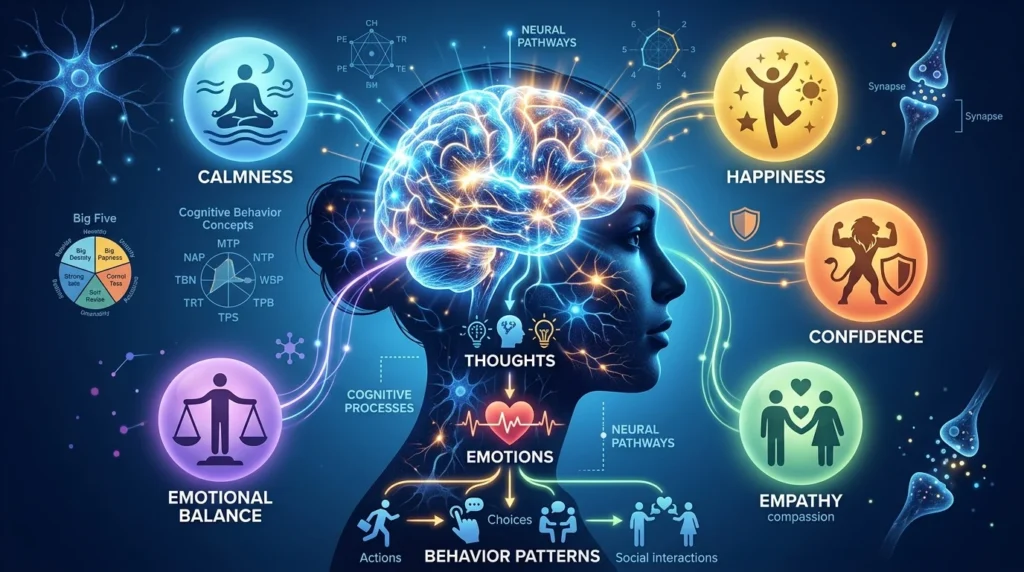
In psychology, disposition meaning focuses on the natural tendencies and personality characteristics that influence human behavior. Psychologists use the concept of disposition to understand why people have different reactions, emotional patterns, and behavioral styles.
A person’s disposition may include qualities such as:
- Optimism or pessimism
- Patience or impatience
- Confidence or insecurity
- Friendliness or reserved behavior
- Emotional stability
These tendencies can influence relationships, decision-making, communication styles, and responses to stressful situations.
However, psychologists recognize that disposition is not completely fixed. While people may have natural personality tendencies, experiences, environment, education, and personal growth can influence how these traits develop.
For example, someone may naturally have a quiet disposition but become more confident through social experiences. Another person may have a naturally energetic disposition but learn to become more patient over time.
Understanding disposition in psychology helps explain individual differences and provides insight into human behavior and personality development.
Disposition Meaning in Personality and Behavior
When discussing personality and behavior, disposition meaning refers to the qualities that shape how a person normally interacts with others and responds to life experiences.
A person’s disposition can influence:
- Communication style
- Emotional reactions
- Social behavior
- Problem-solving approach
- Relationships with others
For example, someone with a compassionate disposition may naturally show kindness and empathy toward others. A person with a determined disposition may continue working toward goals despite challenges.
Disposition is closely connected with personality traits but focuses more on a person’s natural tendencies and emotional patterns. It describes the qualities people commonly observe through repeated behavior.
Different people can have different dispositions because of genetics, upbringing, culture, personal experiences, and environment. This is why two individuals may face the same situation but respond in completely different ways.
Recognizing different dispositions can improve communication because it helps people understand why others think and act differently. It also plays an important role in leadership, teamwork, friendships, and personal relationships.
What Is a Person’s Disposition?
A person’s disposition refers to their natural way of thinking, feeling, and behaving that becomes noticeable through their everyday actions. When someone asks what is a person’s disposition, they are usually asking about the qualities that describe someone’s general personality and emotional nature.
For example, a person may have a cheerful disposition if they are usually happy, optimistic, and enjoyable to be around. Someone who remains calm during stressful situations may have a calm disposition, while someone who frequently reacts negatively may have a difficult or pessimistic disposition.
A person’s disposition is influenced by many factors, including genetics, childhood experiences, environment, relationships, and personal development. Although people may have natural tendencies, their behavior can change as they learn, grow, and experience new situations.
Understanding someone’s disposition helps explain their typical reactions and communication style. It does not define a person completely, but it provides insight into their usual patterns of behavior and emotional responses.
Disposition vs Personality Difference Explained
Many people confuse disposition vs personality because both words describe human characteristics. While they are closely related, they do not have exactly the same meaning.
Personality is a broader concept that includes the complete combination of a person’s thoughts, emotions, behaviors, habits, and social patterns. It describes the overall identity of an individual.
Disposition, on the other hand, focuses more on a person’s natural tendencies or emotional qualities. It highlights how someone is likely to behave or react in different situations.
For example, a person’s personality may include being creative, organized, and independent. Their disposition may be described as friendly, calm, optimistic, or serious.
| Feature | Disposition | Personality |
|---|---|---|
| Meaning | Natural tendency or emotional nature | Complete pattern of thoughts and behaviors |
| Focus | How someone usually reacts | Overall identity and characteristics |
| Example | Cheerful disposition | Introverted personality |
| Change | Can develop over time | Usually more stable but can evolve |
In simple terms, personality describes the whole person, while disposition describes the qualities that influence their usual attitude and behavior.
Positive Disposition Meaning and Examples
A positive disposition means having a naturally optimistic, friendly, and constructive way of approaching life. People with a positive disposition often look for solutions instead of focusing only on problems.
Someone with a positive disposition may show qualities such as:
- Kindness toward others
- Optimism during challenges
- Patience in difficult situations
- Willingness to help people
- Emotional balance
- A hopeful attitude
For example, a person who stays encouraging when a project becomes difficult may be described as having a positive disposition. Similarly, a teacher who remains patient and supportive with students demonstrates a positive disposition.
A positive disposition does not mean someone is happy all the time or ignores problems. Instead, it means they generally approach situations with confidence, resilience, and a constructive mindset.
In workplaces, relationships, and social environments, people with positive dispositions are often appreciated because their attitude can influence the people around them.
See Also: Cornichon Meaning: French Pickle Guide & Differences
Negative Disposition Meaning Explained
A negative disposition describes a tendency to approach situations with pessimism, frustration, hostility, or frequent dissatisfaction. It does not mean a person is always negative, but it refers to patterns of behavior that often appear over time.
Examples of negative disposition may include:
- Constantly expecting bad outcomes
- Becoming easily irritated
- Difficulty seeing positive possibilities
- Frequent criticism of others
- Lack of motivation or enthusiasm
For instance, someone who always assumes a project will fail before trying may be described as having a negative disposition.
However, it is important to understand that a negative disposition is not a permanent label. People’s attitudes can change through self-awareness, personal growth, supportive relationships, and new experiences.
Psychology recognizes that behavior is influenced by many factors, including stress, environment, mental state, and life circumstances. A person showing negative behavior during a difficult period may not necessarily have a permanently negative disposition.
Understanding this difference helps avoid judging people based on temporary emotions.
How to Use Disposition in a Sentence
Learning how to use disposition in a sentence helps understand its practical meaning. Since disposition can describe personality, behavior, legal outcomes, and other concepts, its usage depends on the context.
Here are some examples:
Personality Examples:
- She has a warm and friendly disposition that makes everyone comfortable.
- His calm disposition helped him handle stressful situations.
- The new employee has a positive disposition toward teamwork.
Psychology Examples:
- A person’s emotional disposition can influence how they respond to challenges.
- Researchers studied how different dispositions affect decision-making.
Legal Examples:
- The final disposition of the court case was announced yesterday.
Medical Examples:
- The patient’s disposition after treatment was discharge from the hospital.
Using the word correctly requires understanding which meaning applies. In everyday conversations, disposition usually refers to personality or attitude, while professional fields may use it differently.
Common Types of Human Dispositions
Although every person is unique, people often describe dispositions using certain common characteristics. These descriptions help explain behavior patterns and communication styles.
Some examples include:
Friendly Disposition
A person with a friendly disposition is approachable, kind, and comfortable interacting with others. They often create positive social environments.
Calm Disposition
Someone with a calm disposition remains composed during stressful situations and usually thinks carefully before reacting.
Cheerful Disposition
A cheerful disposition describes someone who naturally expresses happiness, enthusiasm, and positive energy.
Reserved Disposition
A reserved disposition describes someone who is quieter, thoughtful, and less likely to openly express emotions.
Determined Disposition
A determined disposition refers to someone who is focused, persistent, and motivated to achieve goals.
These examples show that disposition is not limited to positive or negative qualities. It simply describes the natural tendencies that influence how people interact with the world.
Factors That Influence a Person’s Disposition
A person’s disposition develops through a combination of natural traits and life experiences. While some tendencies may be present from an early age, many factors shape how someone’s disposition develops.
Important influences include:
Genetics:
Some personality tendencies may be connected to inherited traits, such as emotional sensitivity or energy levels.
Environment:
Family, culture, education, and social surroundings influence how people learn to respond to situations.
Life Experiences:
Successes, challenges, relationships, and personal events can shape attitudes and emotional patterns.
Personal Growth:
Self-awareness and learning can help people develop healthier responses and improve certain behaviors.
This means disposition is not simply something people are born with and cannot change. Instead, it is a combination of natural tendencies and continuous development throughout life.
Understanding these influences provides a deeper view of human behavior and explains why people’s dispositions can evolve over time.
Disposition Meaning in Law and Court Terms
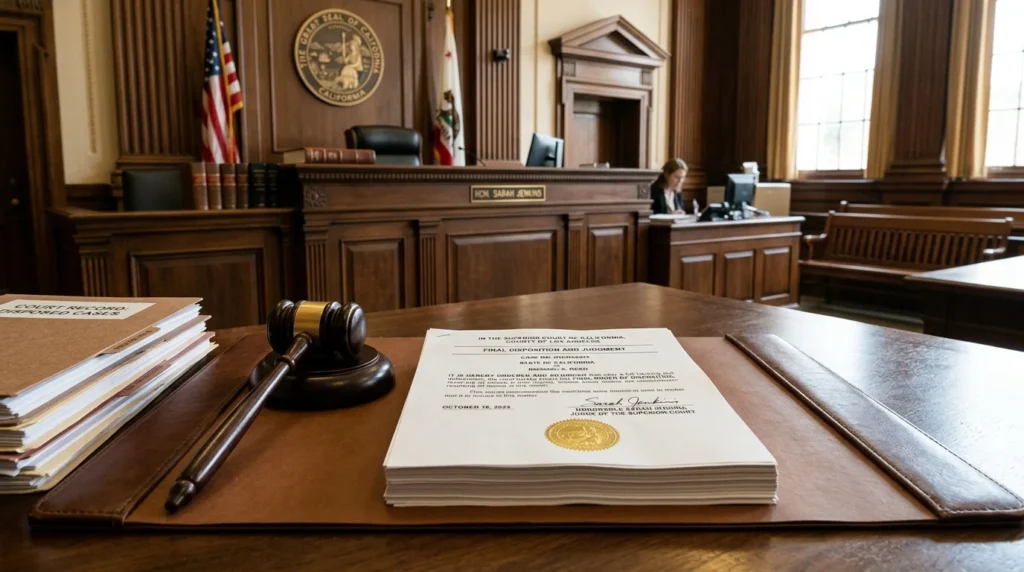
In legal contexts, disposition meaning in law is different from the everyday meaning related to personality. In court and legal documents, disposition refers to the final outcome, decision, or resolution of a legal matter, such as a criminal case, civil case, or court proceeding.
When a court case reaches a disposition, it means the legal process has reached a specific result. Examples of case dispositions include:
- Case dismissed
- Guilty verdict
- Not guilty verdict
- Settlement reached
- Charges dropped
- Probation ordered
- Case closed
For example, if someone checks a court record and sees the term “case disposition,” it refers to what happened after the legal proceedings were completed.
The legal meaning of disposition is commonly used by lawyers, judges, courts, and government agencies. It helps organize legal records by showing the final status of a case.
Understanding this meaning is important because the word disposition does not always describe personality. In legal situations, it focuses on the outcome or conclusion of an official process rather than someone’s character or behavior.
Disposition Meaning in Real Estate Explained
The phrase disposition meaning in real estate refers to the process of selling, transferring, or otherwise managing a property asset. In the real estate industry, disposition usually describes what happens when an owner decides to remove a property from their investment portfolio.
For example, a real estate company may acquire properties to generate income and later use a disposition strategy to sell them for profit.
Real estate disposition may include:
- Selling commercial properties
- Transferring ownership
- Liquidating real estate assets
- Closing investment positions
- Preparing properties for sale
The opposite of disposition is often acquisition, which means purchasing or obtaining an asset. Investors commonly discuss acquisition and disposition strategies when managing real estate portfolios.
Unlike the personality meaning of disposition, the real estate meaning focuses on the movement or transfer of an asset. The context determines which definition applies.
See Also: NPC Meaning: Slang, Gaming, TikTok & Meme Explained
Disposition Meaning in Medical Terms
In healthcare, disposition meaning in medical terms refers to the decision about what happens to a patient after evaluation, treatment, or emergency care. Medical professionals use this term to describe the patient’s next step after receiving care.
Common patient dispositions include:
- Discharged home
- Admitted to a hospital
- Transferred to another healthcare facility
- Sent for further treatment
- Referred to a specialist
- Released with follow-up instructions
For example, after an emergency room visit, a doctor determines the patient’s disposition based on their condition and medical needs.
The medical disposition decision considers factors such as:
- Patient health condition
- Required level of care
- Safety concerns
- Recovery needs
This use of disposition is common in hospitals, emergency departments, and medical records. It does not describe a person’s personality but instead refers to the outcome of their medical evaluation.
Where Does the Word Disposition Come From?
The word disposition has a long history and comes from Latin and Old French roots. It originates from the Latin word “disponere,” which means “to arrange,” “to organize,” or “to place in order.”
The term entered English through Old French and gradually developed several meanings. Originally, it was connected with arranging things or putting something into a particular position. Over time, its meaning expanded to include the arrangement of thoughts, natural tendencies, personality traits, and final outcomes.
This explains why disposition can be used in different fields today. The idea of “placing something in a certain order” evolved into describing:
- The way a person is naturally inclined to behave
- The arrangement or management of something
- The final outcome of a situation
The history of the word shows how language changes over time. A single word can develop multiple meanings while still maintaining a connection to its original concept.
Disposition vs Temperament vs Character Difference
A common area that many articles fail to explain is the difference between disposition, temperament, and character. Although these words are related, they describe different aspects of human behavior.
| Term | Meaning | Example |
|---|---|---|
| Disposition | A person’s natural tendency or emotional style | Friendly disposition |
| Temperament | Biological and emotional tendencies present from early life | Naturally energetic temperament |
| Character | Moral qualities and values developed through choices | Honest character |
Disposition focuses on how someone usually responds emotionally and socially.
Temperament is more connected to natural, inborn emotional patterns, such as being naturally calm or highly energetic.
Character relates to a person’s moral values, integrity, and decisions.
For example, someone may have a naturally quiet temperament, a thoughtful disposition, and a strong character based on honesty and responsibility.
Understanding these differences helps people use these words more accurately when describing personality and behavior.
Why Understanding Disposition Matters
Understanding disposition meaning is useful because it helps people better understand themselves and others. Human behavior is complex, and recognizing different dispositions can improve communication, relationships, and teamwork.
In personal relationships, understanding someone’s disposition can help explain why they react differently to situations. A calm person may handle conflict differently from someone with a more emotional disposition.
In workplaces, recognizing employee dispositions can improve leadership and collaboration. Managers often consider personality tendencies when building teams and assigning responsibilities.
In psychology, studying disposition helps researchers understand behavioral patterns and personality development. It provides insight into how people think, feel, and respond to their environment.
Learning about disposition also encourages self-awareness. By understanding personal tendencies, individuals can recognize strengths, improve weaknesses, and develop healthier ways of responding to challenges.
Why Read Meanings on Punz Trend?
Finding the meaning of unfamiliar words becomes easier when explanations are simple, detailed, and connected with real-life examples. Punz Trend helps readers understand words, phrases, and modern expressions by providing clear explanations that cover different meanings and contexts.
Whether you are searching for the meaning of personality-related words, internet terms, food vocabulary, or everyday expressions, Punz Trend creates easy-to-understand guides that help you learn quickly.
Words often have different meanings depending on where they are used, which is why detailed explanations are important. Punz Trend focuses on explaining meanings from every angle so readers can understand not only the definition but also the practical usage.
If you want to explore more word meanings and language guides, Punz Trend is a helpful place to discover simple and informative explanations.
Frequently Asked Questions
What does disposition mean in simple words?
Disposition means a person’s natural way of thinking, feeling, and behaving. It describes someone’s usual attitude, personality traits, or emotional tendencies.
Is disposition the same as personality?
Disposition and personality are related but different. Personality describes the complete set of characteristics that define someone, while disposition focuses on natural tendencies and typical behavior patterns.
What is a positive disposition?
A positive disposition means having a naturally optimistic, friendly, and constructive attitude toward people and situations.
What does disposition mean in a court case?
In a court case, disposition refers to the final outcome or decision, such as a dismissal, conviction, settlement, or case closure.
Can a person’s disposition change over time?
Yes, a person’s disposition can change through life experiences, personal growth, relationships, and learning. While some natural tendencies may remain, behavior can develop over time.
Conclusion
The disposition meaning goes beyond a simple definition because it describes both human behavior and professional concepts. In everyday life, disposition refers to a person’s natural attitude, emotional nature, and typical way of responding. In psychology, it helps explain personality tendencies, while in law, medicine, and real estate it represents outcomes or processes. Understanding disposition allows us to communicate better, recognize behavioral patterns, and understand different contexts where the word is used. Whether describing a person’s character or a legal decision, disposition remains an important word with multiple meanings across language and society.
See Also: Surreal Meaning: Definition, Examples & How to Use It