
Cornichon Meaning: French Pickle Guide & Differences
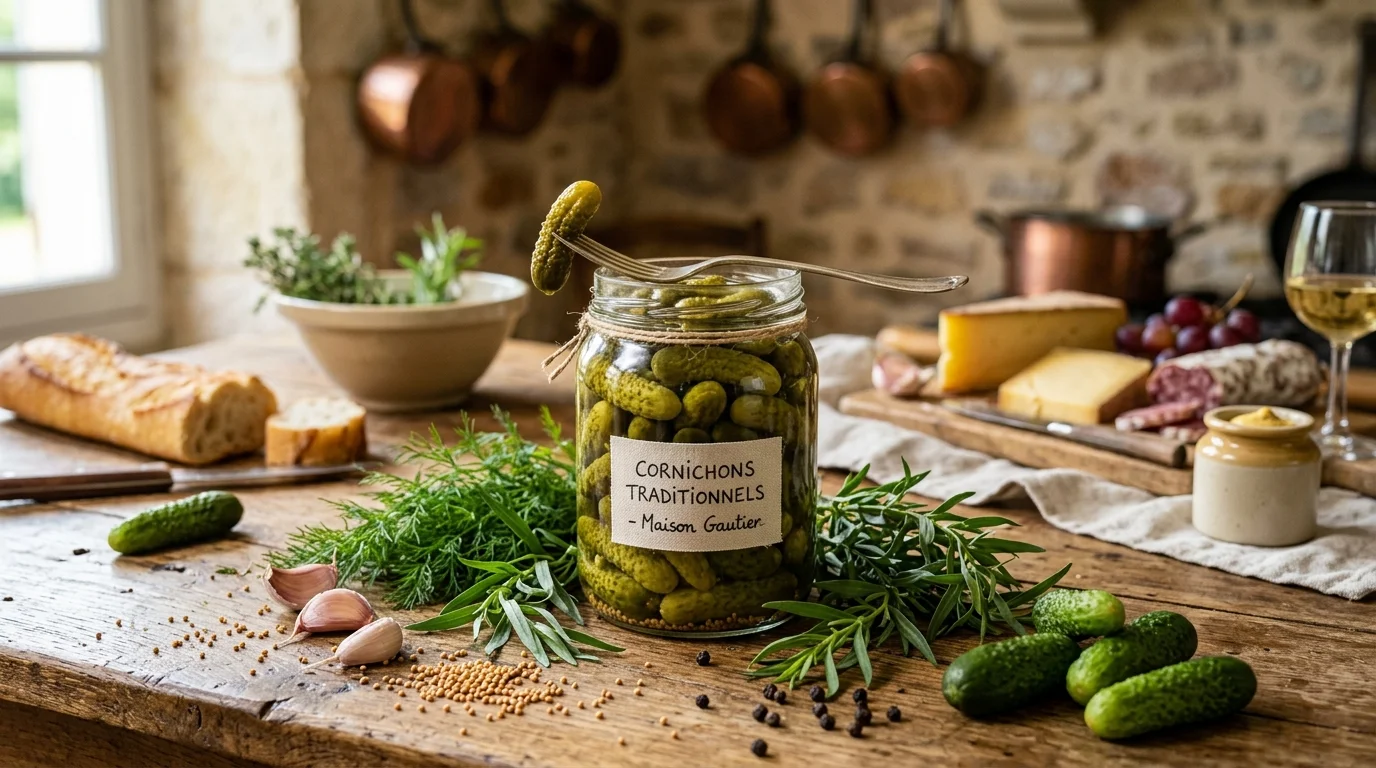
Have you ever seen small, crunchy pickles served with cheese, sandwiches, burgers, or a fancy charcuterie board and wondered what they are called? These tiny, flavorful pickles are known as cornichons. The word may sound unfamiliar, but it represents a popular food item with deep roots in French cuisine. Understanding cornichon meaning helps you discover not only the definition of the word but also the history, taste, preparation, and cultural importance behind these unique pickled cucumbers.
Many people search for what does cornichon mean in English because they encounter the term in recipes, restaurant menus, cooking shows, or gourmet food discussions. While some people think cornichons are simply another type of pickle, they actually have their own characteristics, including their small size, sour flavor, crunchy texture, and traditional French preparation style.
In this complete guide, we will explain the meaning of cornichon, its pronunciation, origin, culinary uses, differences from regular pickles and gherkins, and everything else you need to know. If you are curious about food meanings, ingredients, or unusual words, Punz Trend provides simple and detailed explanations to help you understand terms from everyday language, cooking, and modern culture.
Meaning & Definition
The cornichon meaning refers to a small, tart, and crunchy pickled cucumber that is traditionally prepared using vinegar, herbs, spices, and seasonings. The word “cornichon” comes from French and is commonly used to describe a specific style of miniature pickle rather than all types of pickled cucumbers.
In simple words, a cornichon is a tiny French pickle with a sharp, sour taste and a firm texture. Unlike many larger pickles that may have a sweet or mild flavor, cornichons are known for their refreshing acidity and savory taste. They are often made using young cucumbers that are harvested before they grow larger, which helps create their distinctive crunch.
Cornichons are commonly served alongside foods such as cheese, cured meats, pâté, sandwiches, and grilled dishes. They are especially popular in French cuisine but are now enjoyed worldwide as a gourmet condiment. Their unique flavor makes them more than just a side dish—they add balance and freshness to rich and heavy foods.
Background
The history of cornichons is closely connected with traditional French food culture. For centuries, preserving vegetables through pickling has been an important method of keeping food available throughout the year. Small cucumbers were often selected because their size and texture made them ideal for creating crunchy pickles with a strong flavor.
French cooks developed a unique style of preparing cornichons by combining young cucumbers with ingredients such as vinegar, salt, mustard seeds, garlic, dill, tarragon, and other herbs. This traditional approach created the sharp and sophisticated flavor profile that makes cornichons different from ordinary pickles.
Over time, cornichons became a classic part of French dining. They were commonly served with charcuterie boards, cheese selections, and traditional meals. As French cuisine gained international popularity, cornichons became recognized around the world and are now found in restaurants, supermarkets, and gourmet food stores.
Today, the word cornichon represents both a food item and a symbol of French culinary tradition. From simple home cooking to high-end dining, these small pickles continue to maintain their reputation for quality, flavor, and versatility.
Usage in Different Contexts
The word cornichon is mostly used in food-related conversations, recipes, and culinary settings. In restaurants, chefs may mention cornichons when describing dishes that include French-style ingredients, especially appetizers, sandwiches, and meat-based meals.
In cooking, cornichons are valued because their sour and tangy flavor helps balance rich foods. For example, they are often paired with fatty meats, creamy cheeses, and heavy sauces because their acidity creates a refreshing contrast. They are also used in recipes for sauces such as tartar sauce and are sometimes chopped into salads or sandwiches for extra flavor.
In everyday language, people usually encounter the term while reading menus, shopping for specialty foods, or exploring international recipes. Because the word comes from French, many English speakers search for cornichon meaning in French or cornichon meaning in English to better understand what they are buying or eating.
The growing popularity of international cuisine has made terms like cornichon more common worldwide. Today, understanding food vocabulary helps people explore different cultures and appreciate the traditions behind ingredients.
What Does Cornichon Mean in English?
The phrase what does cornichon mean in English is one of the most searched questions about this word. In English, a cornichon means a small French-style pickled cucumber, usually prepared with vinegar, herbs, and spices. Although it can simply be translated as “pickle,” the word usually refers specifically to small, sour, and crunchy pickles made in the French tradition.
The main difference is that not every pickle is a cornichon. A regular pickle can be made from different cucumber sizes and may have many flavors, including sweet, spicy, or dill varieties. A cornichon has a more specific identity: it is small, firm, tangy, and traditionally associated with French cuisine.
For English speakers, the word often appears in cooking books, restaurant menus, and gourmet food discussions. For example, a chef might recommend serving cornichons with a cheese board because their sharp flavor balances creamy and rich ingredients.
So, the simplest explanation is that a cornichon is a small, sour, French-style pickle that adds a crunchy and flavorful element to meals.
Cornichon Meaning and Pronunciation Explained
The pronunciation of cornichon can be confusing for English speakers because it comes from French. The word is generally pronounced as “kor-nee-shon” with a softer French-style ending. In French pronunciation, the final “n” sound is not pronounced strongly like it would be in English.
Understanding the pronunciation helps when ordering food at restaurants, discussing recipes, or shopping for specialty ingredients. Many people recognize the word visually but are unsure how to say it correctly because French culinary terms often have unique pronunciation patterns.
The term itself reflects its French origin, and saying it correctly adds confidence when talking about food. Whether you are a cooking enthusiast, food blogger, or simply someone curious about international words, knowing both the meaning and pronunciation gives a complete understanding of the term.
The popularity of French cuisine has introduced many French food words into English, and cornichon is one of the examples that has become widely recognized around the world.
What Is a Cornichon Pickle?
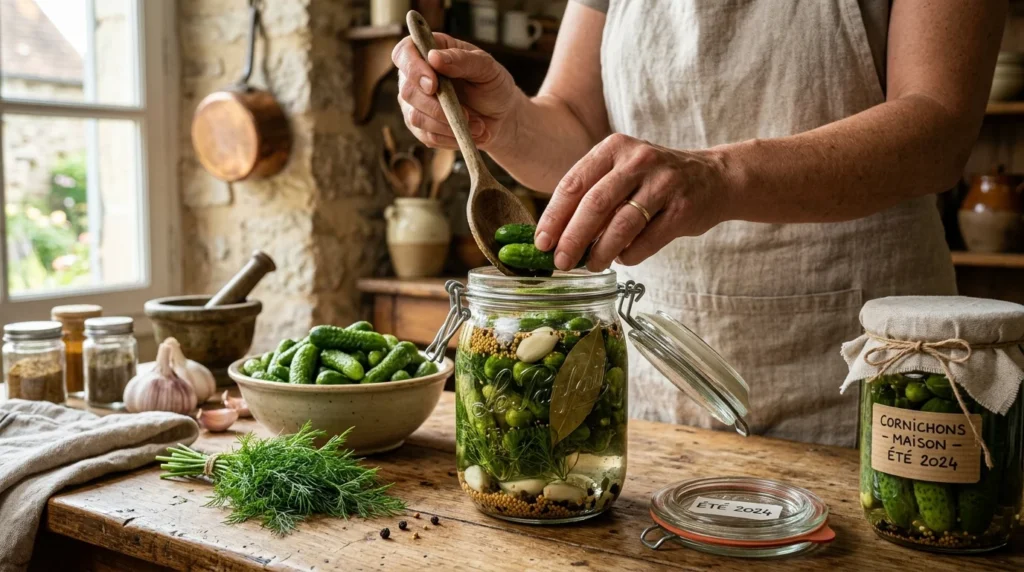
A cornichon pickle is a small cucumber pickle traditionally made using young cucumbers that are preserved in a mixture of vinegar, salt, and aromatic ingredients. Unlike large pickles commonly found in supermarkets, cornichons are harvested early, which gives them their firm texture and satisfying crunch.
Traditional cornichon pickles often include ingredients such as:
- White wine vinegar
- Salt
- Mustard seeds
- Tarragon
- Garlic
- Dill
- Peppercorns
- Small cucumbers
The result is a pickle with a strong tangy flavor rather than a sweet taste. Cornichons are especially popular in French cuisine because they add acidity and freshness to dishes. They are commonly served with pâté, cured meats, cheese, sandwiches, and grilled foods.
Many people confuse cornichons with ordinary pickles, but their preparation style, size, and flavor profile make them unique. Their small size and intense flavor are exactly what make them a favorite among chefs and food lovers around the world. Unlike regular snack pickles, cornichons are often considered a gourmet ingredient because of their traditional preparation and culinary versatility.
See Also: NPC Meaning: Slang, Gaming, TikTok & Meme Explained
Cornichon vs Pickle Difference
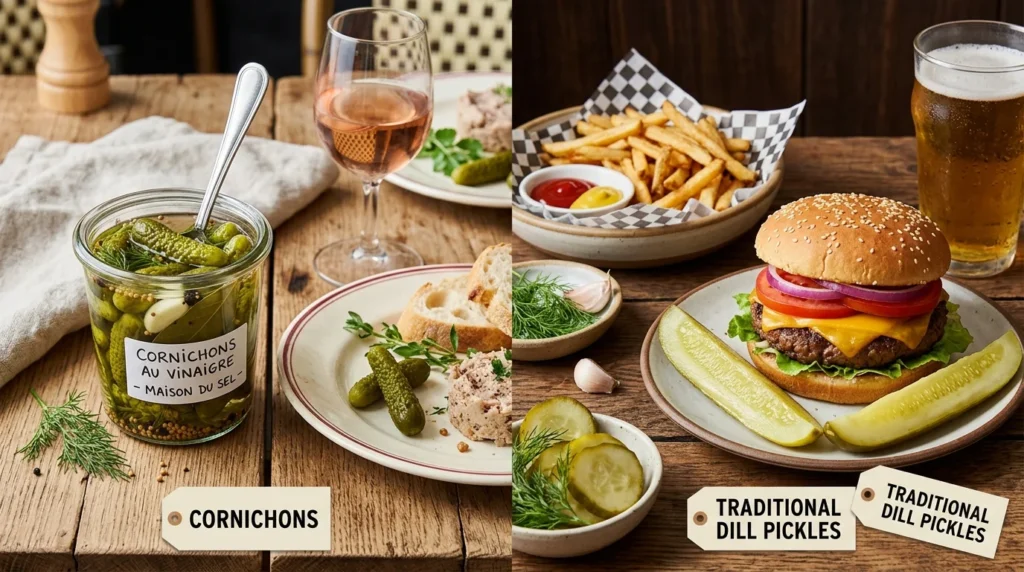
Many people search for cornichon vs pickle difference because these two terms are closely related but not exactly the same. A cornichon is technically a type of pickle, but not every pickle is a cornichon. The main difference comes from the size, preparation method, flavor, and culinary tradition behind each one.
A regular pickle can be made from different types of cucumbers and may come in many varieties, including dill pickles, sweet pickles, bread-and-butter pickles, and spicy pickles. They can have different flavors depending on the ingredients used during the pickling process. Some are sweet, some are salty, and others have a strong garlic or chili flavor.
Cornichons, on the other hand, are specifically small French-style pickles made from young cucumbers. They usually have a sharper, more sour flavor because they are traditionally preserved with vinegar, salt, herbs, and spices. Their crunchy texture and tangy taste make them popular in French cuisine and gourmet dishes.
| Feature | Cornichon | Regular Pickle |
|---|---|---|
| Origin | French cuisine | Found worldwide |
| Size | Small miniature cucumber | Can be small, medium, or large |
| Flavor | Sour, tangy, sharp | Sweet, sour, salty, or spicy |
| Texture | Very crunchy | Depends on preparation |
| Common Uses | Cheese boards, charcuterie, sauces | Snacks, burgers, sandwiches |
In simple terms, a cornichon is a specialized type of pickle with a traditional French identity, while the word pickle refers to a much broader category of preserved vegetables.
Why Are Cornichons Called Cornichons?
The reason these small pickles are called cornichons comes from the French language. The word “cornichon” originally refers to a small cucumber used for pickling. In French, the term is associated with something small and cucumber-like, which perfectly describes the tiny size of these traditional pickles.
The name became popular because French cooks developed a unique method of preserving young cucumbers with vinegar, salt, and aromatic herbs. Over time, the word became connected specifically with this style of pickle rather than just the vegetable itself.
Interestingly, the word cornichon has also appeared in informal French language. In some contexts, it can be used to describe a silly or foolish person, although this meaning is separate from the food term. For culinary purposes, however, cornichon refers to the famous small French pickle.
Understanding why cornichons are called cornichons helps explain how language, culture, and food traditions influence each other. Many food names carry historical meanings that reveal where ingredients originated and how they became popular around the world.
Cornichon Meaning in Cooking and Recipes
In cooking, cornichon meaning refers to more than just a type of pickle. Chefs use cornichons as a flavorful ingredient that adds acidity, crunch, and balance to different dishes. Their sharp taste helps cut through rich flavors, making them an important part of many traditional recipes.
Cornichons are commonly used in:
- Charcuterie boards with cured meats and cheese
- Sandwiches and burgers
- Potato salads
- Tartare sauces
- Egg salads
- Cold meat dishes
- French appetizers
One famous example is their use in sauce gribiche and tartar-style sauces, where chopped cornichons add a fresh, tangy flavor. They are also served alongside pâté and terrines because their acidity balances the richness of these foods.
In modern cooking, cornichons have become popular among chefs because they provide a strong flavor without overpowering the main dish. Their crunchy texture and sour taste make them a simple way to improve the overall flavor experience.
Whether used as a side ingredient or mixed directly into recipes, cornichons show how a small ingredient can have a big impact on taste and presentation.
How Do You Eat Cornichons?
Many people wonder how do you eat cornichons because these small pickles are often served differently compared to regular snack pickles. The simplest way to eat cornichons is straight from the jar as a crunchy, sour side dish. Their sharp flavor makes them refreshing and satisfying on their own.
However, cornichons are most commonly enjoyed as part of a larger meal. In French cuisine, they are often served alongside:
- Cheese and crackers
- Cured meats
- Pâté
- Sandwiches
- Burgers
- Roasted meats
- Salads
They can also be chopped into small pieces and added to sauces, dressings, and recipes to provide extra flavor. For example, finely diced cornichons are commonly used in tartar sauce because they add acidity and texture.
Cornichons are especially popular on charcuterie boards because their sour taste creates a contrast with salty meats and creamy cheeses. Their ability to balance rich foods is one reason chefs around the world continue to use them in different dishes.
Are Cornichons Sweet or Sour?
A common question about these pickles is are cornichons sweet or sour? The answer is that traditional cornichons are mainly sour and tangy rather than sweet. Their flavor comes from vinegar, salt, and spices used during the pickling process.
Unlike sweet pickles that contain added sugar, cornichons usually have a sharp, acidic taste. This sour flavor is what makes them ideal for balancing rich foods such as cheese, meats, and creamy dishes. Their strong tanginess creates a refreshing contrast that cleanses the palate.
Some modern varieties may have slightly different flavors depending on the brand and ingredients used, but traditional French cornichons are known for their sour, salty, and herb-infused taste.
The combination of acidity and crunch is what makes cornichons unique. They are not designed to be sweet snacks; instead, they are meant to enhance meals by adding brightness and complexity to every bite.
How Are Traditional Cornichons Different From Other Pickled Cucumbers?
One major reason cornichons stand out is their traditional preparation method. Unlike many commercial pickles that use larger cucumbers and standardized recipes, traditional cornichons are made from small, young cucumbers selected for their firmness and crunch.
The pickling process usually involves soaking these cucumbers in vinegar with salt and herbs. Ingredients such as mustard seeds, garlic, dill, and tarragon create the distinctive French flavor profile. Some traditional methods may also involve fermentation, although many modern cornichons are preserved mainly through vinegar.
This careful preparation creates a pickle that is more refined and complex in flavor. Cornichons are not just preserved vegetables; they represent a culinary tradition that focuses on texture, balance, and quality.
This is why chefs and food enthusiasts often prefer cornichons for gourmet dishes. Their small size, intense flavor, and connection to French cuisine make them different from everyday pickles found in many households.
Cornichon Meaning in French
The cornichon meaning in French is closely connected with the country’s culinary traditions and language history. In French, the word “cornichon” refers to a small pickled cucumber that is usually prepared with vinegar, salt, herbs, and spices. It is a common ingredient in French cuisine and is often served with traditional dishes such as charcuterie, pâté, and cheese.
The word is pronounced differently from many English food terms because it comes directly from French. While English speakers often pronounce it as “kor-nee-shon,” the French pronunciation has a softer ending sound.
Interestingly, the word cornichon has another meaning in informal French conversations. It can sometimes be used as a playful insult meaning someone is silly, foolish, or a little naive. However, when discussing food, cornichon almost always refers to the small French pickle.
The connection between the food meaning and the language meaning shows how words can develop multiple uses over time. For anyone interested in French culture, understanding cornichon meaning in French provides a deeper appreciation of both the language and the cuisine.
What Is the Difference Between Gherkins and Cornichons?
Many people search for the difference between gherkins and cornichons because these two types of pickled cucumbers look very similar. In fact, cornichons are often considered a type of gherkin because both are made from small cucumbers. However, there are some important differences in size, flavor, and traditional preparation.
A gherkin is a general term used for small cucumbers that are commonly pickled. The word is widely used in many countries, and gherkins can have different flavors depending on how they are prepared. Some may be sweet, spicy, or sour.
Cornichons are a specific French-style version of small pickles. They are usually made from very young cucumbers and have a stronger sour flavor due to the traditional use of vinegar, salt, and herbs. They are especially known for their crunchy texture and sharp taste.
| Feature | Cornichon | Gherkin |
|---|---|---|
| Origin | French cuisine | European and worldwide use |
| Size | Very small young cucumbers | Small cucumbers of various types |
| Flavor | Usually sour and tangy | Can be sweet, sour, or spicy |
| Common Use | Gourmet dishes, charcuterie, sauces | Snacks, sandwiches, general pickling |
In simple terms, all cornichons can be considered gherkins, but not all gherkins are cornichons. The difference mainly comes from tradition, flavor, and preparation style.
See Also: Epiphany Meaning: Definition, Examples & Psychology
Where Does the Word Cornichon Come From?
The word cornichon has its roots in the French language and comes from the idea of a small cucumber used for pickling. It is related to older French words that describe small or immature cucumbers. The term became widely recognized because of France’s long history of preserving vegetables through pickling.
Historically, pickling was an important way to preserve food before modern refrigeration existed. French cooks developed methods to preserve young cucumbers with vinegar, salt, and herbs, creating the traditional cornichon that is known today.
Over time, the word traveled beyond France and became popular internationally through French cuisine. Today, you can find cornichons in supermarkets, restaurants, and recipes around the world.
The history of the word shows how food terminology often carries cultural stories. A simple ingredient name can reveal information about traditional cooking methods, regional preferences, and the evolution of language.
How Are Cornichons Made?
One topic that many competitors fail to explain is how traditional cornichons are made. The preparation process is what gives these small pickles their unique texture and flavor.
Traditional cornichons begin with very small, young cucumbers harvested before they become large. These cucumbers are carefully selected because their size helps maintain a firm and crunchy texture after pickling.
The cucumbers are then preserved using a mixture that usually contains:
- Vinegar
- Salt
- Water
- Mustard seeds
- Tarragon
- Dill
- Garlic
- Peppercorns
The cucumbers absorb the flavors from these ingredients over time, creating their signature sour and aromatic taste. Some traditional recipes may include fermentation, while many modern commercial versions rely mainly on vinegar preservation.
The careful balance between acidity, herbs, and texture is what makes a quality cornichon different from ordinary pickles. This traditional preparation method is one reason cornichons remain popular among chefs and food lovers.
Cornichon Nutrition and Health Benefits
Cornichons are a flavorful food, but they can also provide some nutritional benefits when eaten as part of a balanced diet. Since they are made from cucumbers, they are naturally low in calories and can add flavor without significantly increasing calorie intake.
Some potential benefits include:
- Low-calorie snack option
- Source of small amounts of vitamins and minerals
- Provides hydration because of cucumber content
- May support digestion depending on preparation methods
If cornichons are traditionally fermented, they may contain beneficial bacteria that support gut health. However, many commercial cornichons are vinegar-pickled rather than fermented, so probiotic benefits may vary.
One important factor to consider is sodium content. Like many pickled foods, cornichons can contain a significant amount of salt. People who need to monitor sodium intake should enjoy them in moderation.
Overall, cornichons are best viewed as a flavorful addition to meals rather than a major source of nutrition. Their biggest value comes from improving taste and adding variety to a balanced diet.
How to Choose and Store Cornichons
Choosing high-quality cornichons can make a noticeable difference in taste and texture. When buying cornichons, look for jars that contain small, firm cucumbers with clear vinegar and visible herbs or spices. A good cornichon should have a crunchy texture rather than feeling soft or mushy.
Some tips for selecting and storing cornichons include:
- Check the ingredient list for natural herbs and spices.
- Choose brands known for traditional preparation.
- Look for a firm texture and fresh appearance.
- Store unopened jars in a cool, dry place.
- Refrigerate after opening.
- Keep the cucumbers covered in their pickling liquid.
Proper storage helps maintain their flavor and crunch for a longer period. Since cornichons are preserved foods, they generally have a long shelf life when stored correctly.
Why Read Meanings on Punz Trend?
Understanding unfamiliar words becomes easier when explanations are simple, detailed, and connected to real-life examples. Punz Trend helps readers discover the meanings of interesting words, food terms, internet expressions, and modern vocabulary in an easy-to-understand way.
Whether you are searching for the meaning of a trending phrase, a unique food term like cornichon, or an unfamiliar English word, Punz Trend provides helpful guides designed to answer your questions clearly. Our goal is to explain words from different areas of life, including language, culture, food, and online trends.
If you enjoy learning the meaning behind unusual words and expressions, Punz Trend is a useful resource to explore more detailed explanations.
Frequently Asked Questions
What does cornichon mean in English?
Cornichon means a small French-style pickled cucumber that is usually sour, crunchy, and prepared with vinegar, salt, and herbs.
Are cornichons the same as pickles?
Cornichons are a type of pickle, but they are different because they are smaller, traditionally French, and usually have a sharper sour flavor.
What do cornichons taste like?
Traditional cornichons taste sour, tangy, salty, and slightly herbal. They are not usually sweet like some other pickle varieties.
How do you eat cornichons?
Cornichons can be eaten directly from the jar or served with cheese, cured meats, sandwiches, burgers, and other rich foods.
What is the difference between cornichons and gherkins?
Cornichons are a specific French style of small pickled cucumber, while gherkin is a broader term for small pickled cucumbers from different traditions.
Conclusion
The cornichon meaning represents much more than a simple pickle. A cornichon is a small French-style pickled cucumber known for its crunchy texture, sour flavor, and important role in French cuisine. From its historical roots and traditional preparation to its uses in recipes, charcuterie boards, and gourmet meals, cornichons have become popular worldwide. Understanding the difference between cornichons, pickles, and gherkins helps food lovers appreciate the unique qualities of this ingredient. Whether you enjoy them as a snack or use them in cooking, these small pickles bring a powerful combination of flavor, tradition, and culinary history to every dish.
See Also: Debauchery Meaning in English: Definition & Examples