
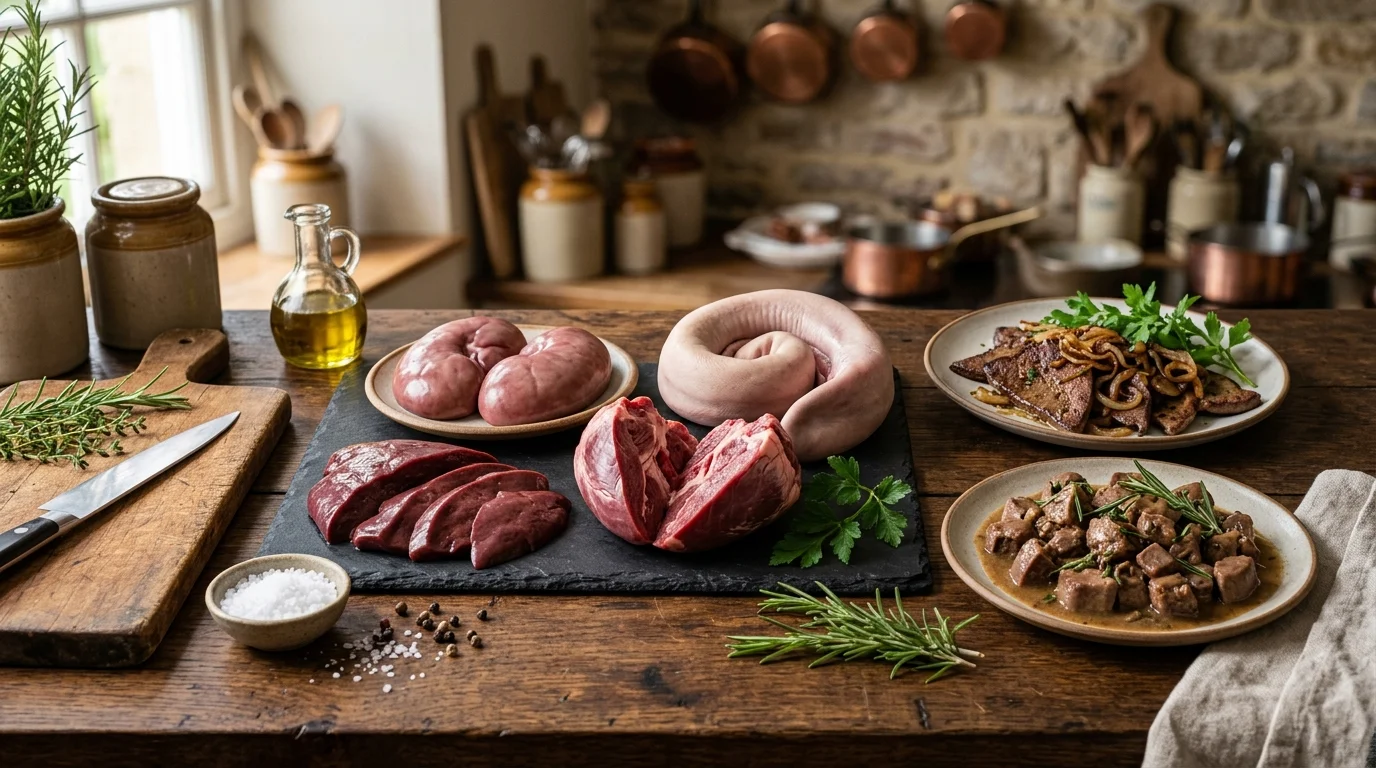
Offal Meaning: Definition, Uses & Examples
The word offal is commonly used in cooking, food industries, farming, and discussions about meat. Many people search for offal meaning after seeing the term in recipes, restaurant menus, or documentaries about food. Although it may sound unfamiliar, offal has been part of traditional cuisines around the world for centuries.
In simple words, offal refers to the internal organs and other edible parts of an animal that are not considered regular cuts of meat. Depending on the culture, offal may include organs such as the liver, heart, kidneys, tongue, and other edible parts.
In many countries, offal is considered a delicacy and is used in traditional dishes because of its rich flavor and nutritional value. In other places, people may use the term to refer to animal by-products that are not commonly eaten.
The meaning of offal can vary slightly depending on the country, the type of animal, and the context in which it is used.
In this guide, you’ll learn the offal meaning, its definition, origin, common examples, and how it is used in cooking and everyday language. Whether you have encountered this word in a recipe or while learning about food culture, this article explains everything in simple and easy-to-understand English.
Meaning & Definition
The offal meaning is:
The edible internal organs and certain other parts of an animal that are used as food instead of regular muscle meat.
In simple words:
Offal means animal organs and other edible parts that people cook and eat.
Common examples of offal include:
- Liver.
- Heart.
- Kidneys.
- Tongue.
- Brain.
- Tripe (stomach lining).
- Oxtail (sometimes included depending on the context).
These parts are often prepared using traditional cooking methods and recipes.
What Does Offal Mean in Simple Words?
In simple words, offal refers to the parts of an animal other than the common cuts of meat, especially the internal organs.
For example:
When a cow, sheep, pig, or chicken is processed for food, steaks and chops come from the muscles, while organs like the liver and kidneys are considered offal.
Many cultures value these parts because they are nutritious and flavorful.
Background and Origin
The word offal comes from the Middle English expression “off fall,” which originally referred to the parts that fall away during the butchering process.
Over time, the term became associated with the organs and other parts removed during meat preparation.
Although the name may suggest leftovers, many types of offal have long been considered valuable foods in cuisines around the world.
Today, chefs and food experts often use offal to prepare traditional dishes, gourmet meals, and regional specialties.
Offal Meaning in Cooking

In cooking, offal refers to edible animal organs and specialty cuts that are prepared using different recipes.
Popular offal dishes can include:
- Grilled liver.
- Fried kidneys.
- Beef heart stew.
- Chicken liver pâté.
- Tripe soup.
Many recipes use herbs, spices, and slow cooking methods to enhance the flavor and texture of offal.
Because different organs have different tastes and textures, cooking methods vary depending on the ingredient.
Types of Offal
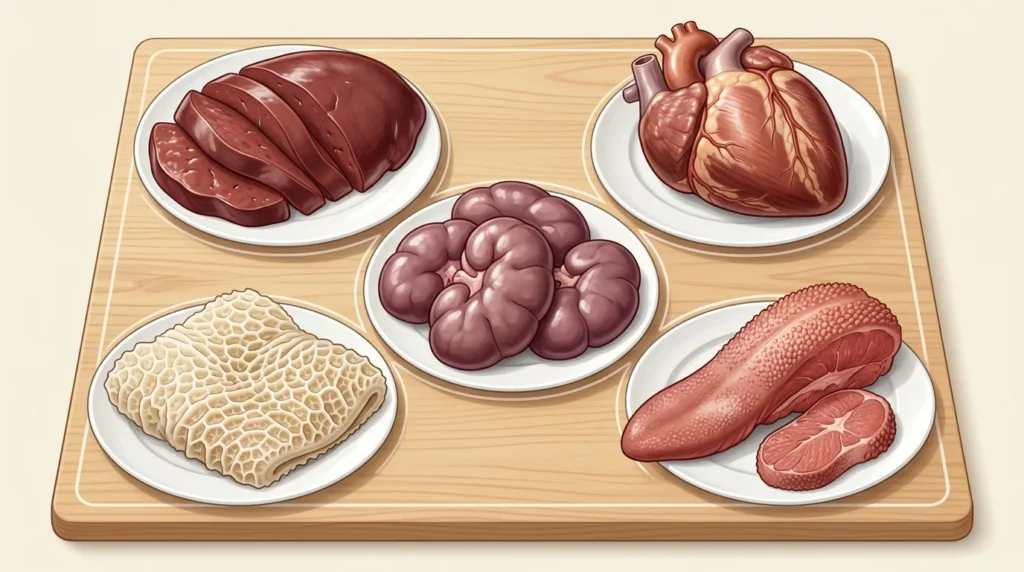
Offal is generally divided into different categories based on the part of the animal.
Organ Meats
These include:
- Liver.
- Heart.
- Kidneys.
- Brain.
- Lungs.
Organ meats are the most commonly recognized form of offal.
Other Edible Parts
Depending on the country and culinary tradition, offal may also include:
- Tongue.
- Cheeks.
- Tail.
- Stomach.
- Intestines.
These ingredients are commonly used in traditional recipes around the world.
Offal Meaning Around the World
The meaning of offal remains the same worldwide, but the way it is used varies greatly from one culture to another. In many countries, offal is considered an important part of traditional cuisine and is appreciated for its flavor, texture, and nutritional value.
For example:
- In many Asian countries, organ meats are commonly used in soups, stir-fries, and grilled dishes.
- In parts of Europe, liver, kidneys, and tripe are traditional ingredients in classic recipes.
- In Latin America and the Middle East, various types of offal are included in regional specialties.
While some people enjoy eating offal regularly, others may be less familiar with it due to different cultural preferences.
Nutritional Value of Offal
Many types of offal are highly nutritious and contain important vitamins and minerals.
Depending on the specific organ, offal may provide:
- Protein.
- Iron.
- Vitamin A.
- Vitamin B12.
- Zinc.
- Copper.
Because organ meats are naturally rich in nutrients, they have been part of human diets for centuries.
However, nutritional content varies between different types of offal, so each organ has its own unique benefits.
See Also: Selah Meaning: Biblical Definition, Origin & Symbolism
Offal vs Meat Difference Explained
Many people confuse offal with regular meat, but they are not exactly the same.
- Meat usually refers to muscle tissue, such as beef steak, chicken breast, pork chops, or lamb.
- Offal refers to internal organs and other edible animal parts that are different from standard muscle cuts.
For example:
- Beef steak is meat.
- Beef liver is offal.
- Chicken breast is meat.
- Chicken heart is offal.
Both are animal-based foods, but they come from different parts of the animal.
How to Use Offal in a Sentence
Here are a few simple examples:
- Many traditional recipes include offal as the main ingredient.
- Beef liver is one of the most common types of offal.
- Some restaurants specialize in cooking offal dishes.
- Offal has been eaten in many cultures for centuries.
- The chef prepared several dishes using fresh offal.
These examples show how the word is commonly used in food-related conversations.
See Also: Rapport Meaning: Definition, Examples & How to Build It
Common Misunderstandings About Offal
A common misunderstanding is that offal always means waste. While the word originally referred to parts removed during butchering, many types of offal are completely edible and widely enjoyed around the world.
Another misconception is that all offal tastes the same. In reality, each organ has its own texture, flavor, and cooking method.
Some people also assume that offal is only eaten in a few countries. In fact, it has a long history in cuisines across Europe, Asia, Africa, the Middle East, and the Americas.
Why Read Meanings on Punz Trend?
Food-related vocabulary often has cultural and historical meanings that can be confusing. Punz Trend explains English words, food terms, phrases, and expressions with simple definitions, origins, examples, comparisons, and practical usage to help readers understand language more easily.
Frequently Asked Questions
What does offal mean?
Offal refers to the edible internal organs and certain other parts of an animal that are used as food.
Is offal the same as meat?
No. Meat usually refers to muscle tissue, while offal refers to organs and other edible parts of the animal.
What are examples of offal?
Common examples include liver, heart, kidneys, tongue, brain, and tripe.
Is offal healthy?
Many types of offal are rich in protein, vitamins, and minerals, making them highly nutritious when eaten as part of a balanced diet.
Why do people eat offal?
People eat offal because it is nutritious, flavorful, affordable, and an important part of many traditional cuisines around the world.
Conclusion
The offal meaning refers to the edible organs and other non-muscle parts of an animal that are used in cooking. While different cultures prepare offal in different ways, it has remained an important ingredient in traditional cuisines for centuries. Rich in nutrients and full of unique flavors, offal continues to be valued by chefs and home cooks alike. Understanding the meaning of offal helps you better appreciate food traditions, culinary history, and the diversity of global cuisine.