
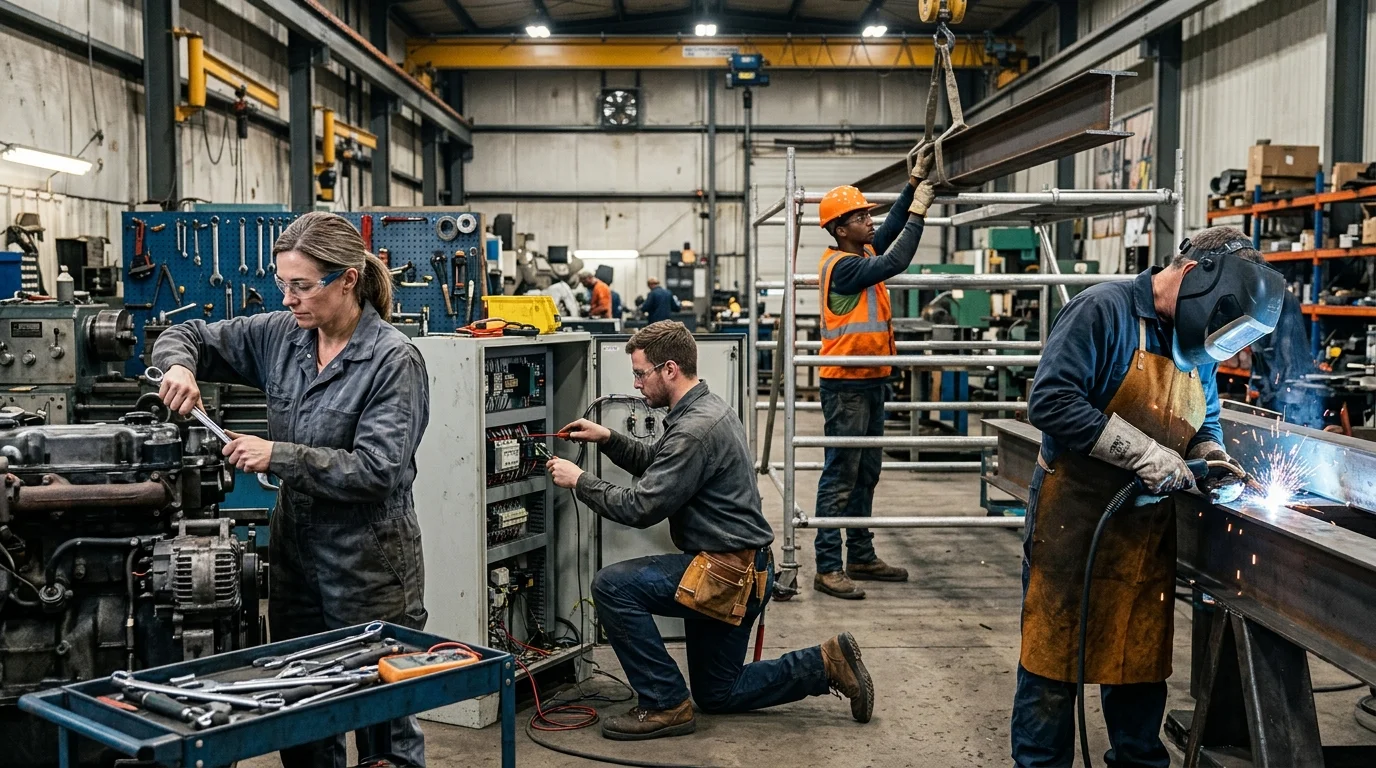
Blue Collar Meaning: Definition, Jobs & Examples
The term blue collar is commonly used in employment, business, economics, and everyday English. Many people search for blue collar meaning after hearing it in job discussions, news reports, or workplace conversations. Since it describes a type of occupation rather than a specific profession, it can sometimes be misunderstood.
In simple words, blue collar refers to workers whose jobs mainly involve physical labor, skilled trades, or manual work. These jobs are often performed in industries such as construction, manufacturing, transportation, maintenance, farming, and repair services.
In this guide, you’ll learn the blue collar meaning, its definition, origin, background, and how it is used in different contexts. Whether you’ve encountered the term in employment, business, or everyday conversations, this article explains everything in simple and easy-to-understand English. For more vocabulary guides and workplace terms, Punz Trend provides clear explanations with practical examples.
Meaning & Definition
The blue collar meaning refers to workers who perform manual labor or skilled trade jobs.
In simple words:
Blue collar describes jobs that involve physical work, technical skills, or hands-on labor rather than office-based duties.
For example:
- Electricians and plumbers are blue-collar workers.
- Many blue-collar jobs require specialized training and practical experience.
- Manufacturing employees are often considered blue-collar workers.
The term focuses on the type of work rather than a person’s education or income.
Background
The phrase blue collar became popular in the early 20th century. Many manual laborers wore durable blue work shirts because they hid dirt, grease, and stains better than white clothing. Over time, the color of these work uniforms became associated with physically demanding occupations.
Today, blue collar is widely used around the world to describe workers in skilled trades, construction, manufacturing, transportation, maintenance, and similar industries.
Usage in Different Contexts
The meaning of blue collar remains consistent across different situations, referring to occupations involving practical or manual work.
What Does Blue Collar Mean in Simple Words?
In simple words, blue collar means jobs that require physical work or hands-on skills.
These jobs may involve operating machinery, repairing equipment, building structures, driving vehicles, or providing technical services.
For example:
- “He works in a blue-collar job as a welder.”
- “Blue-collar workers help build roads and bridges.”
- “Many blue-collar careers offer excellent salaries.”
These examples show that blue-collar work includes many skilled and essential professions.
Blue Collar Meaning in Employment
In employment, blue collar refers to workers whose primary responsibilities involve manual labor, technical expertise, or skilled trades rather than office-based administrative work.
Blue-collar careers often require vocational training, apprenticeships, certifications, or practical experience instead of a traditional university degree. Many of these occupations offer stable employment and opportunities for career growth.
Blue Collar vs White Collar Difference Explained

Many people confuse blue-collar and white-collar jobs, but they refer to different types of work.
See Also: BTS Meaning: Full Form, Text, K-Pop & Behind the Scenes
- Blue-collar jobs involve physical labor, skilled trades, manufacturing, construction, transportation, maintenance, or technical work.
- White-collar jobs are usually office-based and involve administrative, managerial, professional, or clerical responsibilities.
Both types of work are valuable, and neither is better than the other. They simply require different skills, training, and work environments.
Examples of Blue-Collar Jobs
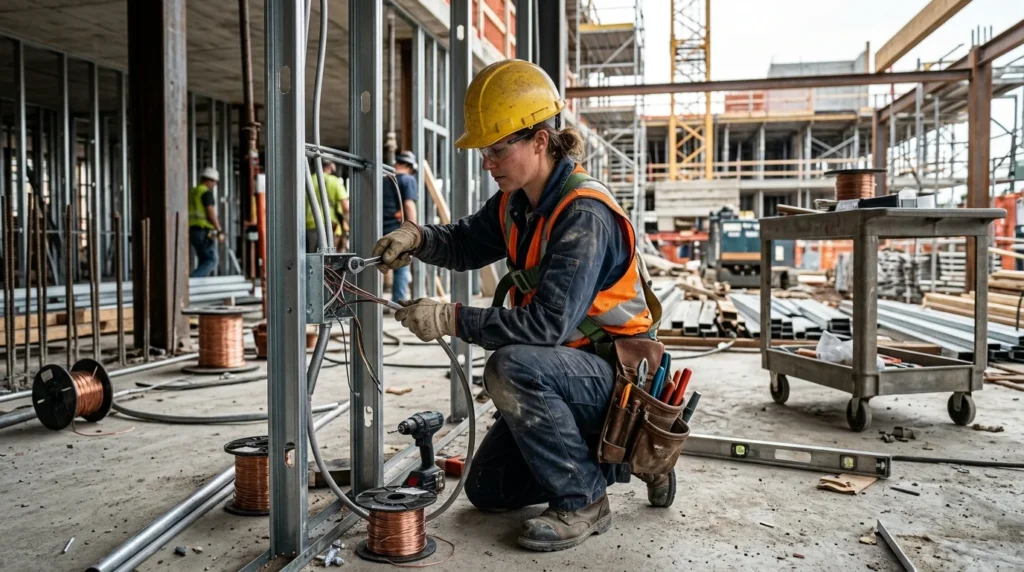
There are many careers that fall under the blue-collar category. Some common examples include:
See Also: Abide Meaning: Definition, Abide By, Bible & Examples
- Electrician
- Plumber
- Carpenter
- Welder
- Mechanic
- Truck driver
- Construction worker
- Factory worker
- HVAC technician
- Machine operator
These professions are essential to industries and communities around the world.
How to Use Blue Collar in a Sentence
Here are a few simple examples:
- My father has worked in a blue-collar job for over 20 years.
- Skilled blue-collar workers are in high demand.
- She chose a blue-collar career as an electrician.
- Many blue-collar professions offer competitive salaries.
- The company is hiring experienced blue-collar workers.
These examples show how the term is used in employment and workplace discussions.
Common Misunderstandings About Blue Collar
A common misunderstanding is that blue-collar jobs require little skill. In reality, many blue-collar careers require years of training, certifications, apprenticeships, and hands-on experience.
Another misconception is that blue-collar workers earn less than white-collar workers. Many skilled trades, such as electricians, plumbers, and welders, can earn salaries equal to or higher than some office-based professions.
Why Read Meanings on Punz Trend?
Workplace and business terms can sometimes be confusing. Punz Trend explains professional vocabulary with simple definitions, origins, examples, comparisons, and practical usage so readers can understand every meaning with confidence.
Frequently Asked Questions
What does blue collar mean?
Blue collar refers to jobs that involve manual labor, skilled trades, or hands-on technical work.
What is the difference between blue collar and white collar?
Blue-collar jobs involve physical or technical work, while white-collar jobs are mainly office-based and administrative.
Are blue-collar jobs skilled?
Yes. Many blue-collar careers require specialized training, certifications, apprenticeships, and years of practical experience.
Can blue-collar workers earn high salaries?
Yes. Many skilled trades offer competitive pay, career growth, and excellent job opportunities.
How do you use blue collar in a sentence?
Example: “He built a successful blue-collar career as a licensed electrician.”
Conclusion
The blue collar meaning refers to workers who perform manual labor, skilled trades, or hands-on technical jobs. These careers play a vital role in industries such as construction, manufacturing, transportation, maintenance, and repair services. Understanding the meaning of blue collar also makes it easier to distinguish it from white collar work. For more easy-to-understand workplace terms and vocabulary guides, Punz Trend is your trusted source for learning English.
See Also: Atria Meaning: Definition, Anatomy & Heart Function