
Redacted Meaning: Definition, Uses & Examples
The word redacted is commonly seen in legal documents, government reports, court records, classified files, news articles, and online discussions. Many people search for redacted meaning after noticing blacked-out words or hidden sections in official documents. While the appearance of a redacted document may seem mysterious, the purpose is usually to protect sensitive or confidential information.
In simple words, redacted means that certain words, names, numbers, or sections of a document have been removed, hidden, or covered so they cannot be seen by the public.
For example, if a government agency releases a report but hides personal information or national security details, those hidden portions are said to be redacted.
Redaction is used by governments, businesses, law firms, hospitals, and many other organizations to protect private information while still allowing the rest of the document to be shared.
In this guide, you’ll learn the redacted meaning, its definition, origin, common uses, and how the term is used in legal, business, technology, and everyday contexts. Whether you’ve encountered the word in a news report or an official file, this article explains everything in simple and easy-to-understand English.
Meaning & Definition
The redacted meaning is:
Information that has been removed, hidden, or obscured from a document to protect confidential, private, or sensitive details.
In simple words:
Redacted means certain parts of a document have been hidden or blacked out so other people cannot read them.
Information that may be redacted includes:
- Personal names.
- Home addresses.
- Phone numbers.
- Financial information.
- Medical records.
- Government secrets.
- Confidential business data.
The goal is to protect information while allowing the rest of the document to remain available.
What Does Redacted Mean in Simple Words?
In simple words, redacted means covering or removing information that should not be shared publicly.
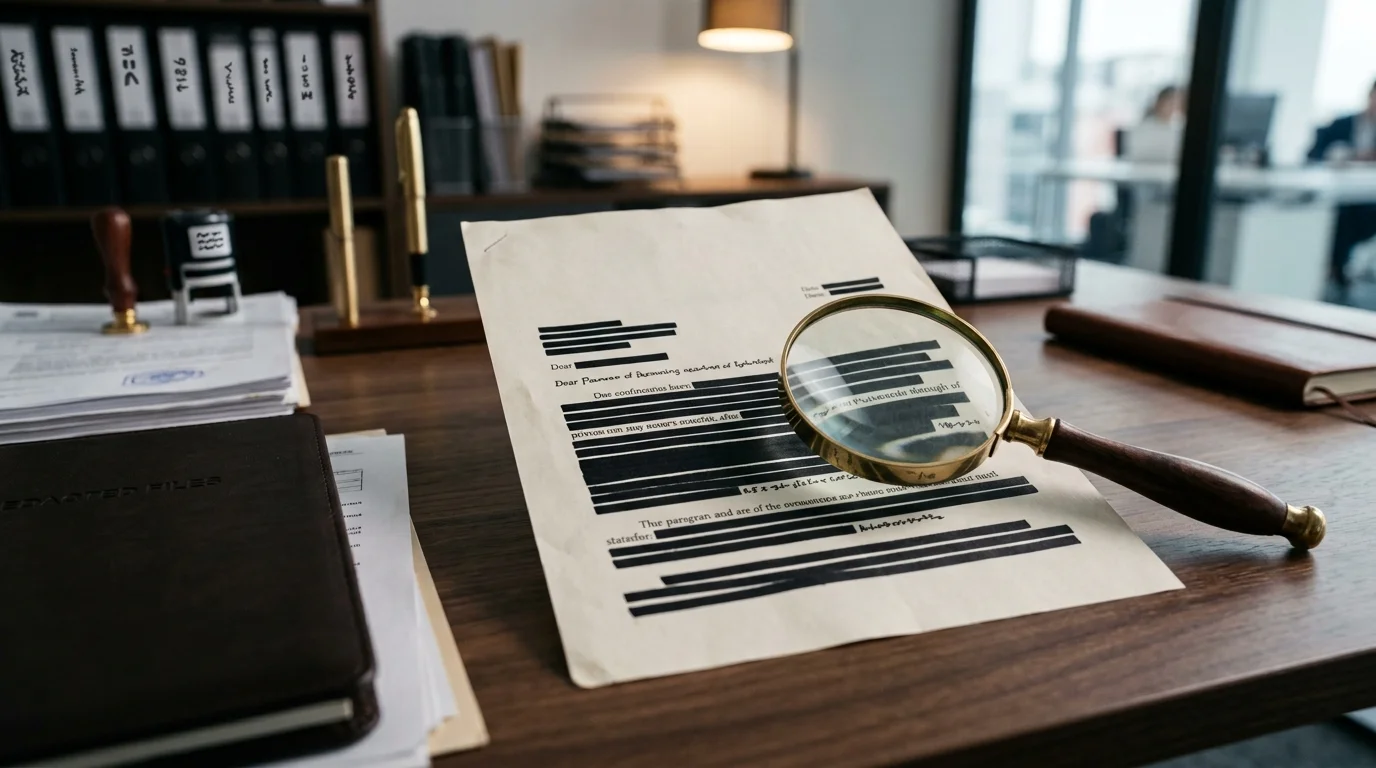
Imagine a document where several lines are covered with black bars. Those hidden sections are considered redacted because someone intentionally removed them from public view.
For example:
A police report may be released to the public, but the victim’s personal information is redacted to protect privacy.
Background and Origin
The word redact comes from the Latin word “redigere,” meaning to bring together, arrange, or edit.
Originally, the word referred to editing or preparing written material.
Over time, especially in legal and government settings, redact developed the modern meaning of removing sensitive information before sharing a document.
Today, redaction is a standard practice in many industries where privacy and confidentiality are important.
Redacted Meaning in Legal Documents

One of the most common places people see the word redacted is in legal documents.
Courts often release documents to the public, but certain information is hidden to protect:
- Witness identities.
- Victims.
- Minors.
- Personal addresses.
- Financial records.
This allows the public to understand the case without exposing confidential information.
Legal professionals carefully review documents before redacting sensitive sections.
Redacted Meaning in Government Documents
Government agencies frequently use redaction when releasing public records.
Information may be redacted to protect:
- National security.
- Classified information.
- Intelligence operations.
- Personal privacy.
- Ongoing investigations.
For example, a government report might contain several blacked-out paragraphs because those details are legally protected from public disclosure.
See Also: Touché Meaning: Definition, Origin & Examples
Redaction helps balance transparency with security and privacy.
Why Are Documents Redacted?
Documents are redacted for many different reasons.
Some of the most common include:
- Protecting personal information.
- Following privacy laws.
- Keeping classified information secret.
- Preventing identity theft.
- Protecting business secrets.
- Maintaining legal confidentiality.
Without redaction, sensitive information could be misused or exposed to the wrong people.
Redacted Meaning in Business
Businesses regularly use redaction when sharing documents with clients, partners, regulators, or the public. Sensitive information is removed to protect confidential business data while still allowing the document to be reviewed.
For example, companies may redact:
- Employee personal information.
- Customer records.
- Financial account numbers.
- Trade secrets.
- Contract details.
- Proprietary business information.
This helps organizations comply with privacy laws and maintain confidentiality.
Redacted Meaning in Technology

In the digital world, redaction is commonly used in software, cybersecurity, and data protection.
Many applications automatically redact sensitive information before documents are shared or stored.
See Also: Agnostic Meaning: Definition, Origin & Examples
Examples include:
- Hiding credit card numbers.
- Masking passwords.
- Removing Social Security numbers.
- Concealing medical information.
- Protecting confidential customer data.
Modern software can automatically detect and redact private information to reduce the risk of data leaks.
Redacted vs Edited Difference Explained
Many people think redacted and edited mean the same thing, but they are different.
Edited
Editing means changing or improving content by correcting grammar, rewriting sentences, or reorganizing information.
Example:
- A writer edits an article before publishing it.
Redacted
Redaction means hiding or removing specific information so that it cannot be viewed.
Example:
- A government report has names redacted before being released.
The key difference is that editing improves content, while redaction protects sensitive information.
How to Use Redacted in a Sentence
Here are a few simple examples:
- The lawyer submitted a redacted version of the document.
- Personal information was redacted before publication.
- Several names were redacted from the official report.
- The company released a heavily redacted contract.
- The court ordered that confidential details remain redacted.
These examples show how the word is commonly used in legal, government, and business contexts.
Common Misunderstandings About Redacted
A common misunderstanding is that redacted means deleted forever. In reality, the original information usually still exists in a secure version of the document. Only the public copy has the sensitive information removed or hidden.
Another misconception is that redacted documents are fake or incomplete. In fact, redaction is a normal legal and professional process used to protect privacy and confidential information.
Some people also assume only governments redact documents. However, hospitals, schools, businesses, banks, law firms, and technology companies all use redaction regularly.
Why Read Meanings on Punz Trend?
Legal and technical terms can often seem confusing without clear explanations. Punz Trend explains English vocabulary, legal terminology, technology concepts, business terms, and everyday expressions with simple definitions, origins, examples, comparisons, and practical usage to help readers understand language more easily.
Frequently Asked Questions
What does redacted mean?
Redacted means certain information has been hidden, removed, or blacked out from a document to protect confidential or sensitive details.
Why are documents redacted?
Documents are redacted to protect privacy, confidential information, classified material, and sensitive personal or business data.
What is usually redacted?
Commonly redacted information includes names, addresses, financial details, medical records, account numbers, and classified government information.
Is redacted the same as deleted?
No. Redacted information is hidden from public view, while the original version of the document often remains securely stored.
Who uses redaction?
Governments, courts, law firms, businesses, hospitals, schools, banks, and technology companies all use redaction to protect sensitive information.
Conclusion
The redacted meaning refers to information that has been intentionally hidden or removed from a document to protect privacy, confidentiality, or security. Whether used in legal records, government reports, business contracts, or digital documents, redaction helps ensure that sensitive details remain protected while allowing the rest of the information to be shared safely. Understanding redaction makes it easier to interpret official documents and appreciate the importance of data privacy in today’s world.
See Also: Gyatt Meaning: Definition, Origin & Slang Explained