
Namaste Meaning: Origin, Definition & Cultural Significance
The word Namaste is one of the most recognized greetings in the world. Many people search for Namaste meaning after hearing it in yoga classes, meditation sessions, spiritual discussions, movies, or while traveling to India and Nepal. Although it is commonly translated as “hello,” the word carries a much deeper cultural and spiritual meaning.
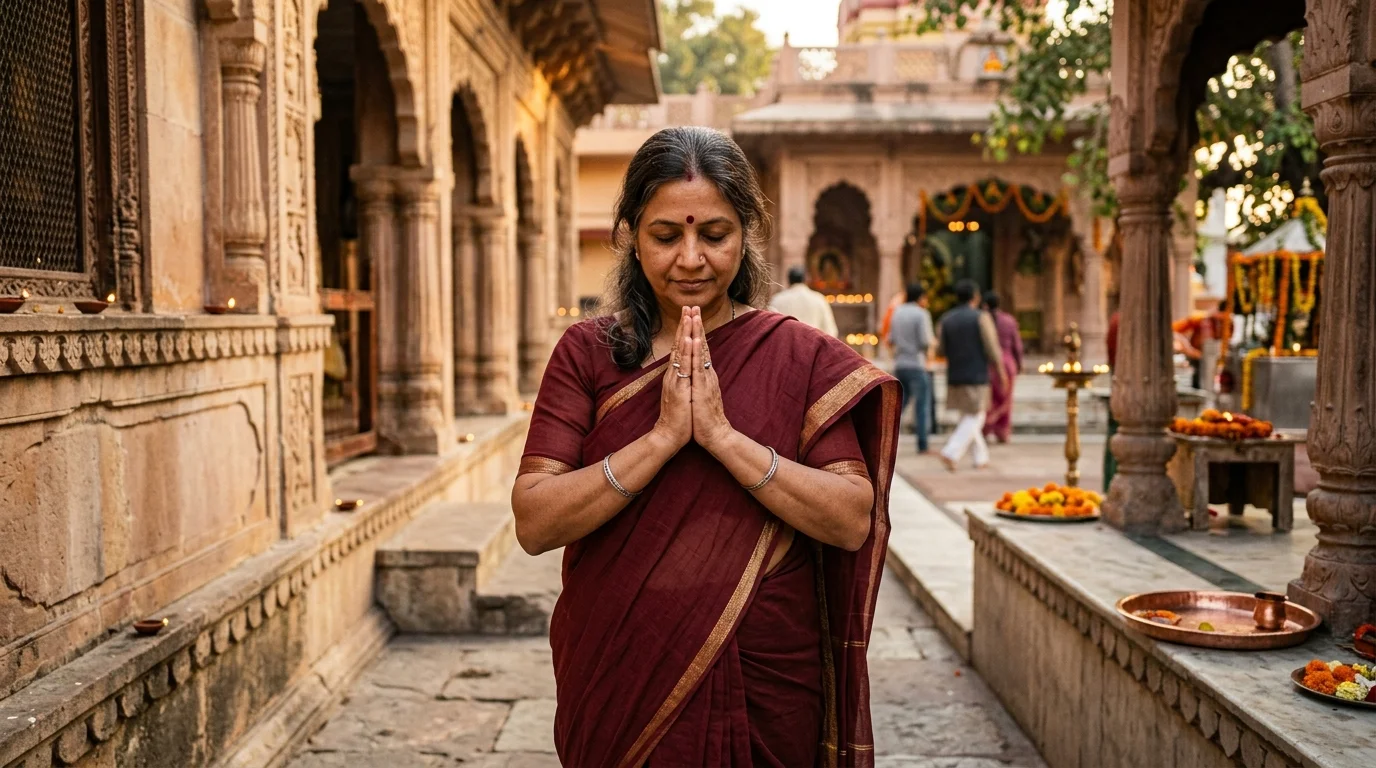
In simple words, Namaste is a respectful greeting that expresses honor, gratitude, and recognition of another person’s dignity. It is traditionally spoken while placing the palms together in front of the chest and slightly bowing the head.
For example, people may say “Namaste” when greeting someone, saying goodbye, or expressing respect and appreciation.
The greeting has been used for centuries in South Asia and remains an important part of daily life, religious traditions, yoga, and meditation practices.
In this guide, you’ll learn the Namaste meaning, its definition, origin, cultural significance, and how it is used in different situations. Whether you’ve heard the word in a yoga studio or during a visit to India, this article explains everything in simple and easy-to-understand English.
Meaning & Definition
The Namaste meaning is:
A respectful greeting or expression of honor that acknowledges another person’s dignity and presence.
In simple words:
Namaste is a polite way of saying hello, goodbye, or showing respect.
The greeting is commonly associated with:
- Respect.
- Gratitude.
- Kindness.
- Humility.
- Peace.
- Spiritual connection.
Its meaning can vary slightly depending on cultural and religious context.
What Does Namaste Mean in Simple Words?
In simple words, Namaste means greeting someone with respect and acknowledging their value and presence.
While it is often translated as “I bow to you,” many people understand it more broadly as a gesture of mutual respect and goodwill.
The accompanying hand gesture reinforces this message of politeness and humility.
Background and Origin
The word Namaste comes from Sanskrit, one of the world’s oldest recorded languages.
It is commonly explained as being formed from:
- “Namas” meaning bow, respect, or reverence.
- “Te” meaning to you.
Together, the expression is often translated as “I bow to you” or “My respectful greetings to you.”
For centuries, Namaste has been used throughout India, Nepal, and neighboring regions as both a greeting and a respectful farewell.
Namaste Meaning in Hindu Culture
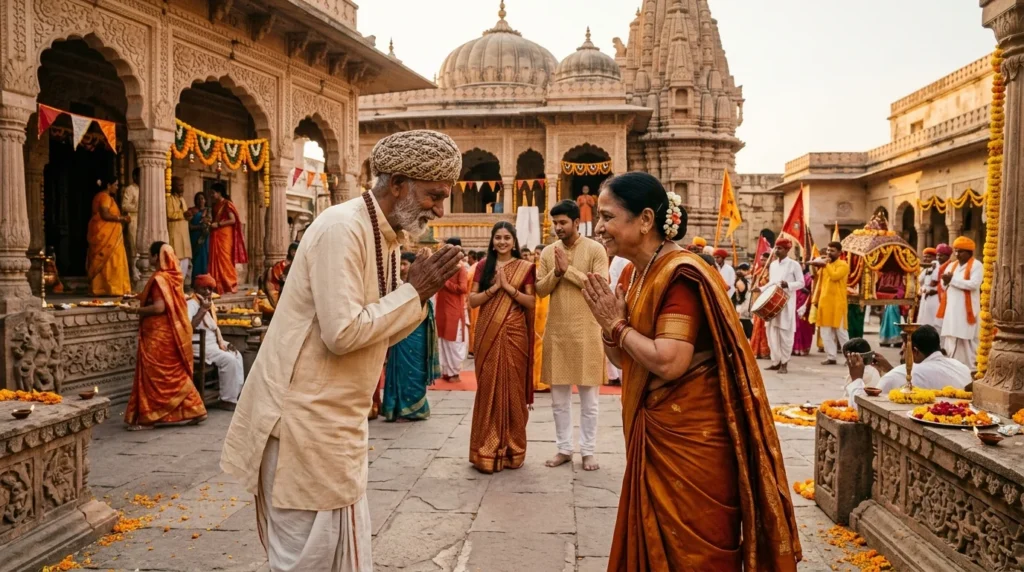
In Hindu culture, Namaste is more than a simple greeting.
It is often used to express:
- Respect for another person.
- Humility.
- Courtesy.
- Appreciation.
- Peaceful intentions.
The greeting is commonly exchanged between family members, friends, teachers, elders, guests, and strangers.
It reflects cultural values of respect and kindness in everyday interactions.
Namaste Meaning in Yoga
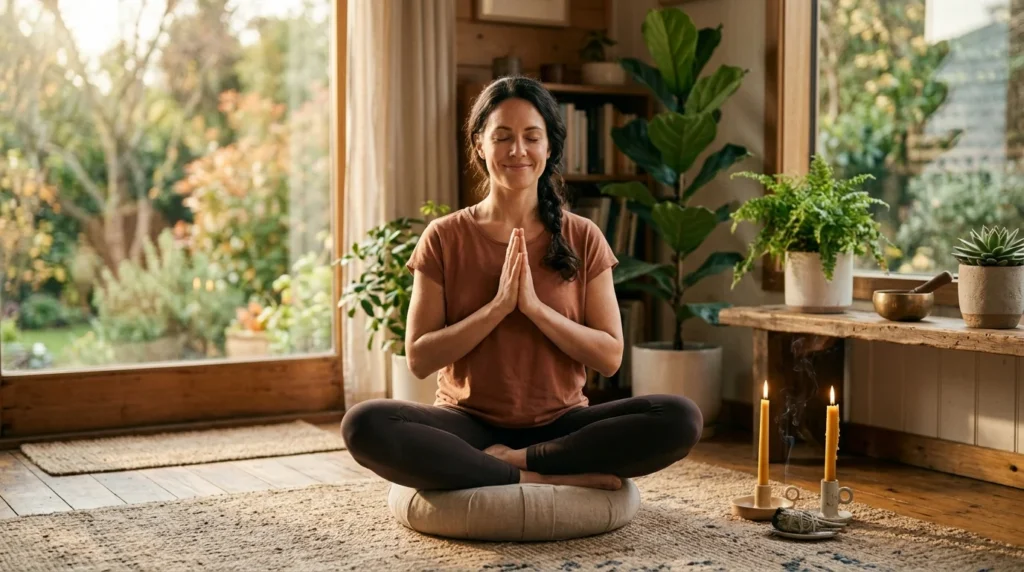
Outside South Asia, Namaste became widely recognized through yoga and meditation.
Many yoga instructors say Namaste at the end of a class as a gesture of gratitude and mutual respect between teacher and students.
Although interpretations vary, many practitioners view it as expressing appreciation, mindfulness, and connection.
Its use in yoga has introduced the word to millions of people around the world.
See Also: OOTD Meaning: Definition, Slang Uses & Examples
Namaste Meaning in Everyday Life
In everyday life, Namaste is commonly used as both a greeting and a farewell in many parts of India and Nepal.
People may say Namaste when:
- Meeting someone.
- Saying goodbye.
- Greeting elders.
- Welcoming guests.
- Showing appreciation or respect.
It is considered a polite and respectful expression suitable for both formal and informal situations.
Namaste vs Hello Difference Explained
Many people compare Namaste with hello, but they are not exactly the same.
Hello
Hello is a general English greeting used to begin a conversation.
See Also: OTOE Meaning: Definition, Texting Uses & Examples
Namaste
Namaste is a traditional greeting that expresses respect, humility, and goodwill in addition to saying hello or goodbye.
While both are greetings, Namaste often carries deeper cultural and spiritual significance.
How to Use Namaste in a Sentence
Here are a few simple examples:
- She greeted the visitors by saying, “Namaste.”
- The yoga instructor ended the session with Namaste.
- We exchanged Namaste as a sign of mutual respect.
- He folded his hands and said Namaste to the elders.
- Travelers often learn to say Namaste when visiting India.
These examples show how the word is commonly used in daily life and cultural settings.
Common Misunderstandings About Namaste
A common misunderstanding is that Namaste simply means “hello.” While it can be used as a greeting, it also conveys respect, humility, and goodwill.
Another misconception is that Namaste is used only in yoga. In reality, it has been a traditional greeting in South Asia for centuries and remains part of everyday life for many people.
Some people also believe there is only one exact English translation. Because the word carries cultural and spiritual meaning, several translations such as “I bow to you,” “My respectful greetings to you,” or “I honor you” are commonly used.
Why Read Meanings on Punz Trend?
Words from different cultures often carry meanings that go beyond simple translations. Punz Trend explains English vocabulary, cultural expressions, spiritual terms, historical phrases, and everyday language with simple definitions, origins, examples, comparisons, and practical usage to help readers better understand the world around them.
Frequently Asked Questions
What does Namaste mean?
Namaste is a respectful greeting that expresses honor, courtesy, and goodwill toward another person.
Is Namaste the same as hello?
Not exactly. While it can be used as a greeting like hello, it also carries a deeper meaning of respect and humility.
Where does the word Namaste come from?
Namaste comes from Sanskrit, where it is commonly interpreted as “I bow to you” or “My respectful greetings to you.”
Why do yoga instructors say Namaste?
Many yoga instructors use Namaste at the end of class as a gesture of gratitude, respect, and appreciation for the shared practice.
Is Namaste used only in India?
No. Although it originated in South Asia, Namaste is now recognized and used around the world, especially in yoga, meditation, and wellness communities.
Conclusion
The Namaste meaning is a respectful greeting that expresses honor, humility, and goodwill. Rooted in Sanskrit and South Asian culture, it has been used for centuries to greet others with kindness and respect. Today, it continues to be valued both in everyday life and in yoga and meditation practices, symbolizing courtesy, connection, and mutual respect.