
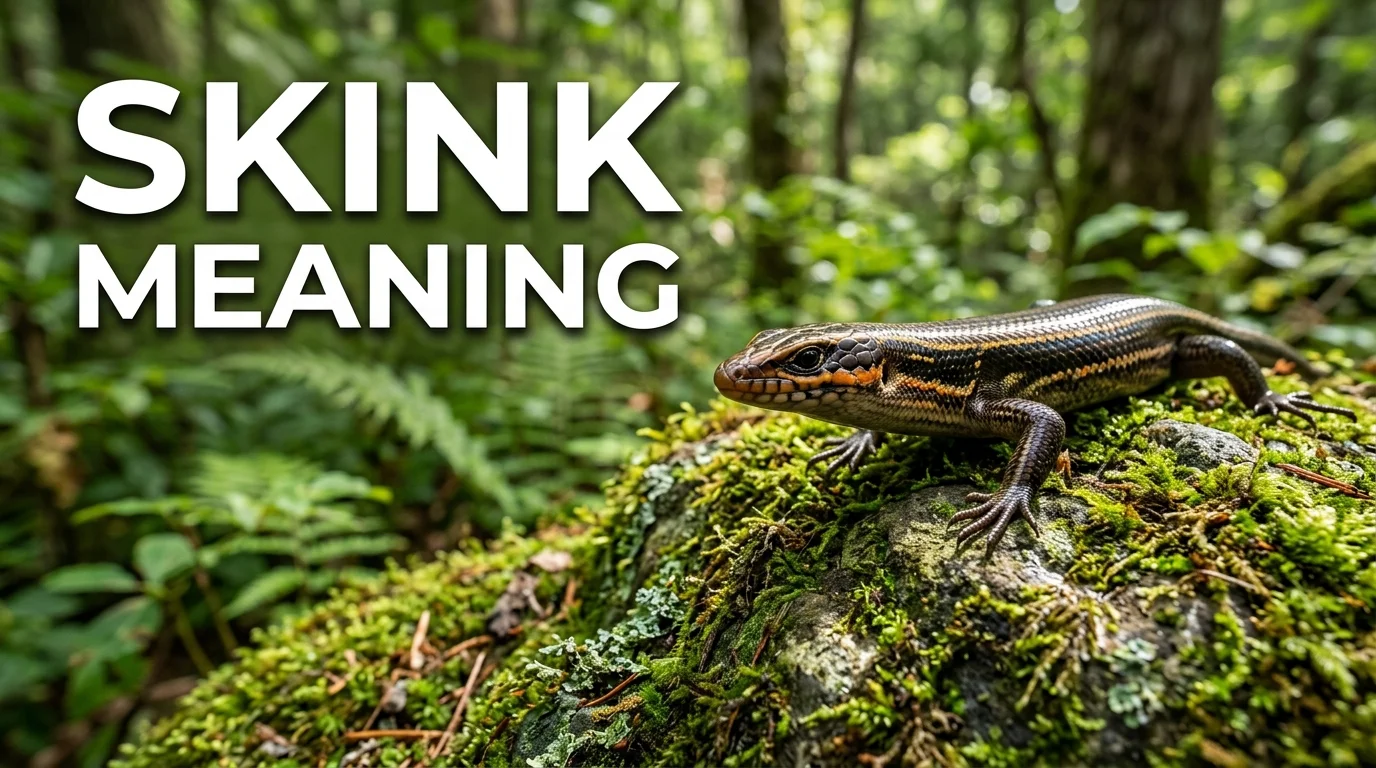
Skink Meaning Explained: Definition, Facts & Uses
If you have ever come across the word “skink” and wondered what it means, you are not alone. Many people search for terms like what does skink mean, skink meaning in English, and what is a skink lizard because they encounter the word in wildlife articles, documentaries, educational content, or even pet discussions. Despite being one of the most widespread groups of reptiles in the world, skinks remain unfamiliar to many people.
Understanding the meaning of skink goes far beyond a simple dictionary definition. A skink is not just another lizard. It belongs to a fascinating family of reptiles that have adapted to diverse environments across the globe. From deserts and forests to grasslands and urban gardens, skinks have successfully established themselves in a variety of habitats. Their smooth scales, streamlined bodies, and remarkable ability to regenerate lost tails make them unique among reptiles.
This comprehensive guide explores the complete meaning of skink, its origin, characteristics, habitat, diet, behavior, different species, and its role in nature. Whether you are a student, wildlife enthusiast, pet owner, or simply curious about reptiles, this article will provide detailed and easy-to-understand information. If you enjoy discovering the meanings of animals, words, and fascinating natural phenomena, Punz Trend is a great place to explore more informative content.
Meaning & Definition
The term skink refers to a member of the reptile family Scincidae, one of the largest families of lizards in the world. In simple terms, a skink is a type of lizard characterized by its smooth, shiny scales and elongated body. When people search for skink meaning in English, they are looking for this biological definition, which identifies skinks as reptiles belonging to a distinct group within the lizard family.
A skink differs from many other lizards because of its streamlined appearance. Some species have very small legs, while others appear almost snake-like. These physical characteristics often cause confusion among people trying to identify them. However, skinks remain true lizards because they possess features that distinguish them from snakes, including movable eyelids and external ear openings.
The word “skink” has been used in English for centuries and is derived from older European terms that referred to similar reptiles. Today, scientists recognize more than 1,500 species of skinks worldwide, making them one of the most diverse reptile groups on Earth. Their adaptability and evolutionary success have allowed them to thrive in a wide range of ecosystems.
In modern usage, the word skink primarily refers to the reptile itself, although it may occasionally appear in scientific discussions, wildlife conservation programs, educational materials, and pet care guides. Understanding the skink meaning helps people appreciate the diversity of reptile life and the important ecological roles these creatures play.
Background
Skinks have an evolutionary history that stretches back millions of years. Fossil evidence suggests that members of the skink family have existed for a very long time, adapting to changing climates and environments throughout Earth’s history. Their success as a reptile group is largely due to their ability to evolve specialized traits that help them survive in different habitats.
The family Scincidae contains hundreds of genera and over a thousand species distributed across nearly every continent. They are particularly abundant in Africa, Australia, Asia, and many tropical regions. Australia alone is home to a remarkable number of skink species, including some of the most well-known examples such as the Blue-Tongued Skink.
One reason skinks have been so successful is their adaptability. Some species live underground, others climb trees, while many spend their lives on the forest floor or in grasslands. This versatility has allowed them to occupy ecological niches that other reptiles may struggle to exploit.
Scientists continue to study skinks because they offer valuable insights into reptile evolution, behavior, adaptation, and regeneration. Their ability to regrow lost tails, for example, has become an important area of biological research. As interest in wildlife conservation grows, skinks are increasingly recognized as important components of healthy ecosystems worldwide.
Usage in Different Contexts
The word skink can appear in several contexts, and understanding these uses helps clarify its meaning. In scientific and educational settings, skink refers specifically to members of the reptile family Scincidae. Biology textbooks, research papers, and wildlife documentaries commonly use the term when discussing reptile diversity, habitat adaptation, and ecological interactions.
In everyday language, people often use the word when identifying reptiles found in gardens, parks, forests, or deserts. Many homeowners encounter skinks around rocks, logs, and vegetation and search online for information about whether they are dangerous or beneficial. In these situations, understanding what a skink is helps people make informed decisions about wildlife conservation and coexistence.
The term is also frequently used in the pet industry. Certain species, especially Blue-Tongued Skinks, are popular reptile pets because of their calm temperament and distinctive appearance. Pet owners often search for information about skink care, feeding habits, lifespan, and habitat requirements.
Additionally, skinks may be discussed in environmental conservation programs because they serve as indicators of ecosystem health. Their presence often reflects balanced habitats with sufficient food sources and shelter. Whether used in science, education, pet care, or wildlife observation, the meaning of skink remains connected to its identity as a unique and highly adaptable reptile.
What Does Skink Mean?
When people search for “what does skink mean,” they are usually looking for a simple explanation of the word. A skink is a member of the lizard family known as Scincidae. These reptiles are recognized for their smooth, shiny scales and streamlined bodies. Unlike many other lizards, skinks often have shorter legs and some species have evolved bodies that appear almost snake-like. Despite this appearance, they are true lizards and possess features that clearly distinguish them from snakes.
The meaning of skink extends beyond a basic dictionary definition. In zoology, the term represents one of the largest and most diverse reptile families in the world. Scientists have identified more than 1,500 species of skinks living across different continents. Their adaptability and unique characteristics have made them an important subject of study in wildlife biology and reptile research.
What Is a Skink Lizard?
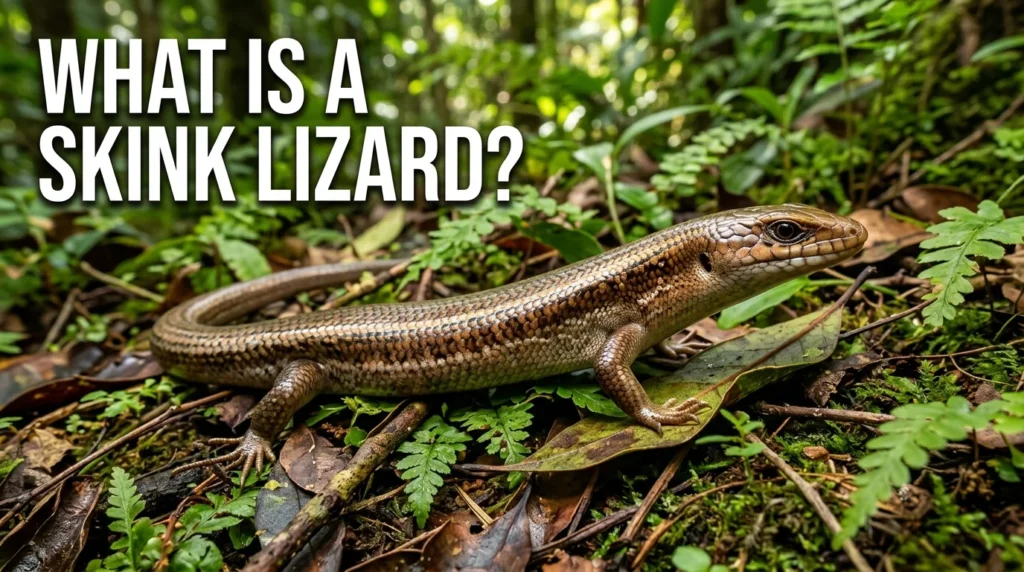
A skink lizard is a reptile belonging to the family Scincidae. While all skinks are lizards, not all lizards are skinks. This distinction is important because skinks possess several unique features that separate them from other lizard groups. Their bodies are generally elongated, covered in smooth scales, and designed for efficient movement through vegetation, soil, and leaf litter.
Many skink species are active during the day and spend their time searching for insects and other small prey. Their sleek body shape helps them move quickly and escape predators. Some species live underground, while others thrive in forests, deserts, grasslands, and suburban gardens. Their remarkable adaptability has helped them become one of the most successful reptile groups on Earth.
See Also: Hawk Tuah Meaning Explained: Origin, Meme & Viral Trend
Is a Skink a Reptile?
Yes, a skink is a reptile. Like all reptiles, skinks are cold-blooded vertebrates that rely on external heat sources to regulate their body temperature. They possess scales, lay eggs or give birth to live young depending on the species, and breathe through lungs throughout their lives.
As reptiles, skinks share characteristics with snakes, turtles, crocodiles, and other lizards. However, they belong to a unique branch within the reptile family tree. Their specialized body structures and evolutionary adaptations allow them to occupy habitats that many other reptiles cannot. This flexibility has contributed significantly to their worldwide distribution and success.
Difference Between Skink and Lizard
One of the most common questions people ask is about the difference between a skink and a lizard. The answer is simple: a skink is a type of lizard. The term “lizard” refers to a broad group of reptiles, while “skink” refers to a specific family within that group.
Skinks typically have smoother scales than many other lizards. Their bodies are often more streamlined, and their legs may be shorter. Some skinks even appear almost legless, causing people to mistake them for snakes. Unlike snakes, however, skinks have movable eyelids and visible ear openings. These features make identification easier when observing them in nature.
Types of Skinks Around the World
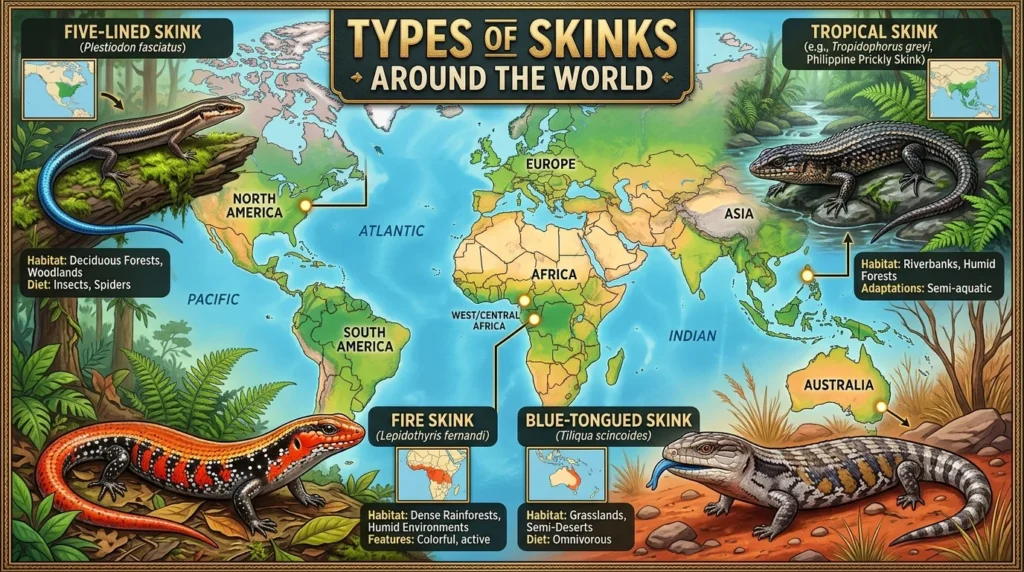
There are more than 1,500 recognized species of skinks around the world. These species vary significantly in size, color, habitat, and behavior. Some are only a few inches long, while others can reach lengths exceeding two feet.
Among the most famous species is the Blue-Tongued Skink, known for its bright blue tongue and calm personality. The Five-Lined Skink is common in North America and is easily recognized by the distinctive stripes running along its body. The Fire Skink is another popular species, admired for its vibrant red, orange, and black coloration.
Australia, Africa, Southeast Asia, and parts of North America contain some of the greatest skink diversity. Each species has evolved unique adaptations that help it survive in its environment.
Where Do Skinks Live?
Skinks are among the most widely distributed reptiles in the world. They inhabit forests, deserts, grasslands, tropical regions, rocky landscapes, and even suburban neighborhoods. Their ability to adapt to different environmental conditions has contributed greatly to their success.
Many skinks prefer areas with abundant ground cover, such as fallen leaves, logs, rocks, and dense vegetation. These locations provide protection from predators and harsh weather conditions. Some species spend most of their lives underground, while others climb trees or bask in open sunlight. Their diverse habitat preferences demonstrate their remarkable ecological flexibility.
What Do Skinks Eat?
Skinks are generally insectivores, although some species are omnivores. Their diet commonly includes insects, spiders, worms, beetles, crickets, and other small invertebrates. Larger species may occasionally consume small vertebrates, fruits, flowers, or vegetation.
The diet of a skink often depends on its size, habitat, and species. Young skinks typically consume smaller prey items, while adults can handle larger food sources. By feeding on insects and pests, skinks play an important ecological role in maintaining balanced ecosystems. Their natural pest-control abilities make them beneficial visitors in gardens and agricultural environments.
Are Skinks Dangerous to Humans?
One of the most frequently searched questions is whether skinks are dangerous to humans. The simple answer is no. Most skink species are harmless and prefer to avoid contact with people whenever possible. They are shy creatures that rely on camouflage, speed, and hiding behavior to escape threats.
Although a skink may bite if handled roughly or cornered, their bites are generally minor and not considered dangerous. They do not possess venom and rarely cause injuries beyond minor irritation. In most situations, skinks are beneficial reptiles that help control insect populations and contribute positively to local ecosystems.
How to Identify a Skink Lizard
Identifying a skink is often easier once you know the key characteristics. Most skinks have smooth, glossy scales that give their bodies a polished appearance. Their heads blend smoothly into their bodies, creating a streamlined shape that allows efficient movement through vegetation and soil.
Many skinks have cylindrical bodies, relatively short legs, and long tails. Certain species display distinctive stripes, bright colors, or unique markings that help with identification. Another notable characteristic is their ability to shed and regenerate their tails. If you notice a shiny-scaled reptile moving quickly through grass or leaf litter, there is a good chance you have encountered a skink.
See Also: Gooning Meaning Explained: Origin, Slang & Online Usage
Interesting Facts About Skinks
Skinks possess several fascinating traits that distinguish them from other reptiles. One of the most remarkable is their ability to detach and regrow their tails. This process, known as tail regeneration, helps them escape predators and survive dangerous encounters.
Some skinks give birth to live young rather than laying eggs, which is unusual among reptiles. Others have evolved reduced limbs or nearly legless bodies. Their incredible diversity, adaptability, and evolutionary success have made them one of the most widespread reptile families on the planet.
Frequently Asked Questions
What does skink mean in English?
Skink refers to a member of the reptile family Scincidae, a large group of lizards known for smooth scales and elongated bodies.
Is a skink a lizard or a snake?
A skink is a lizard. Although some species resemble snakes due to their body shape, they possess characteristics unique to lizards.
Can skinks regrow their tails?
Yes. Many skink species can regenerate lost tails after escaping predators.
Are skinks good pets?
Certain species, especially Blue-Tongued Skinks, are popular pets because of their calm temperament and manageable care requirements.
Where are skinks most commonly found?
Skinks are commonly found in Australia, Africa, Asia, North America, and many tropical and subtropical regions.
What do skinks eat in the wild?
Most skinks feed on insects, spiders, worms, beetles, and other small invertebrates.
Are skinks beneficial to gardens?
Yes. Skinks help control pest populations by feeding on insects that may damage plants and crops.
How long do skinks live?
Depending on the species, skinks can live anywhere from a few years to more than twenty years.
Conclusion
Understanding the skink meaning involves much more than learning a simple definition. Skinks are fascinating reptiles that belong to one of the largest lizard families in the world. Their smooth scales, adaptable nature, diverse habitats, and unique survival abilities make them an important part of many ecosystems. Whether you are researching wildlife, identifying a reptile in your backyard, or simply expanding your knowledge, learning about skinks provides valuable insight into the incredible diversity of the natural world.
If you enjoy discovering the meanings of animals, words, and interesting topics, be sure to explore more detailed guides on Punz Trend, where complex subjects are explained in a simple, engaging, and easy-to-understand way.
See Also: SOS Meaning: Full Form, Texting, Emergency & Morse Code