
Draconian Meaning: Definition, Origin & Examples
The word draconian is commonly used to describe rules, laws, or actions that are extremely harsh or severe. Many people search for draconian meaning after seeing it in news articles, legal discussions, politics, or everyday conversations. While the term often relates to strict punishments or regulations, it can also describe policies that people believe are unnecessarily severe.
In simple words, draconian means excessively harsh, strict, or severe. It usually refers to rules or measures that impose very tough penalties or restrictions.
For example:
- A government may introduce draconian laws to reduce crime.
- Employees may complain about draconian workplace rules that leave little room for flexibility.
The word is frequently used in journalism, politics, law, and business whenever people want to emphasize that a rule or decision is unusually strict.
In this guide, you’ll learn the draconian meaning, its definition, origin, and how it is used in law, politics, business, and everyday English. Whether you’ve read the word in a headline or heard it in conversation, this article explains everything in simple and easy-to-understand English.
Meaning & Definition
The draconian meaning is:
Extremely harsh, severe, or strict, especially regarding rules, laws, or punishments.
In simple words:
Draconian means much stricter or harsher than people consider reasonable.
The word is commonly used to describe:
- Laws.
- Government policies.
- Rules.
- Punishments.
- Workplace regulations.
- Security measures.
Its meaning often reflects the speaker’s opinion that something is excessively severe.
What Does Draconian Mean in Simple Words?
In simple words, draconian means very harsh or extremely strict.
If someone describes a law as draconian, they usually believe the punishment or restriction is much tougher than necessary.
For example:
A school that suspends students for very small mistakes might be criticized for having draconian rules.
The word often carries a negative tone because it suggests excessive severity.
Background and Origin
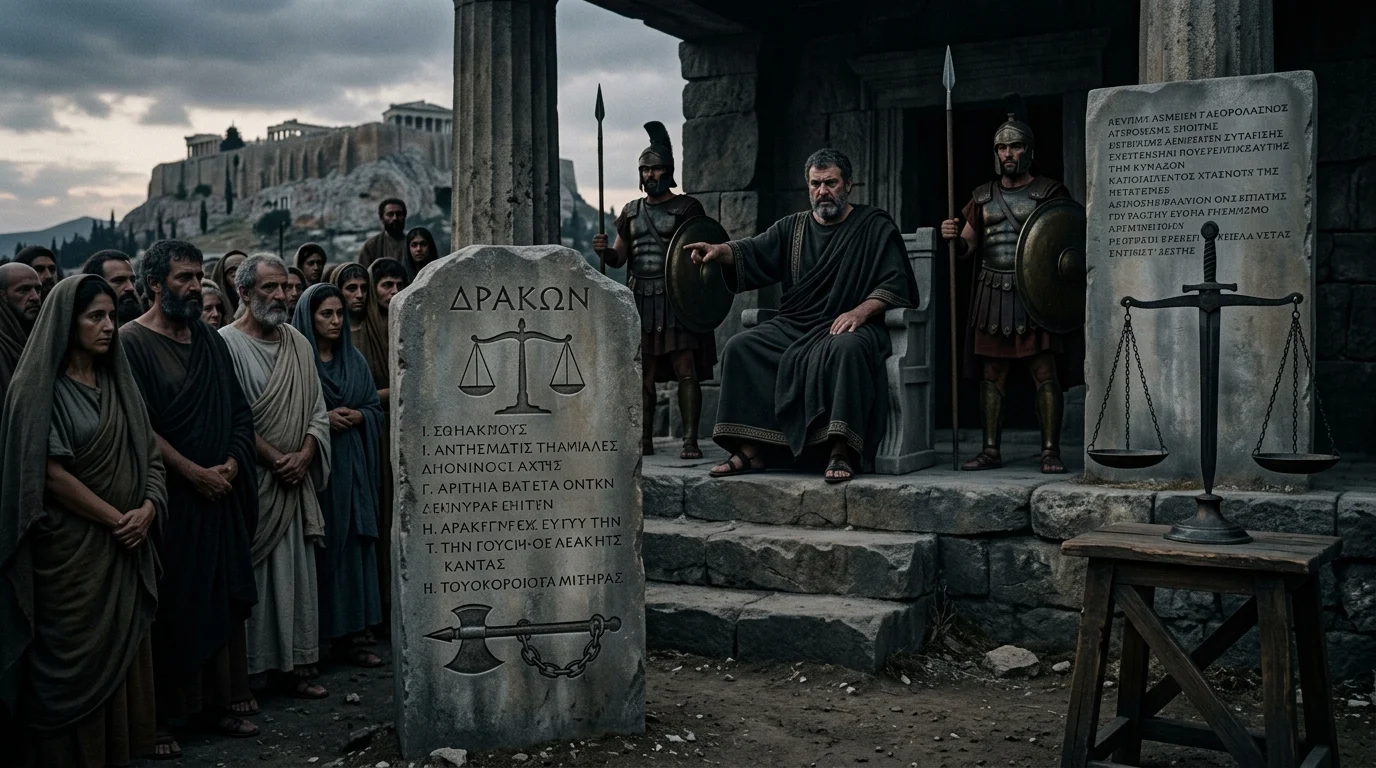
The word draconian comes from Draco, an ancient Athenian lawmaker who lived in the 7th century BCE.
Draco became famous for creating a written legal code that was known for its exceptionally severe punishments. According to historical accounts, many offenses—even relatively minor ones—could receive very harsh penalties.
Because of this reputation, the adjective draconian later came to describe any law, rule, or policy that is considered excessively strict.
Today, the word is used far beyond its historical origins and appears in discussions about politics, law, education, business, and public policy.
Draconian Meaning in Law

In legal discussions, draconian describes laws or legal measures that are viewed as unusually severe.
Examples may include:
- Extremely strict sentencing laws.
- Heavy financial penalties.
- Broad legal restrictions.
- Harsh enforcement policies.
Whether a law is actually considered draconian often depends on personal opinion and public debate rather than an objective standard.
Draconian Meaning in Politics
In politics, draconian is often used to criticize government actions or policies that are seen as overly restrictive.
Examples include:
- Strict emergency regulations.
- Severe censorship policies.
- Tough immigration measures.
- Strong surveillance laws.
Because the term expresses a judgment about severity, people may disagree on whether a particular policy should be described as draconian.
Draconian Meaning in Everyday Life
Outside politics and law, draconian is often used to describe rules or decisions that seem unnecessarily strict.
For example, people may describe:
- Workplace policies with very harsh penalties.
- Strict school discipline rules.
- Excessive parental restrictions.
- Tough company regulations.
In everyday conversation, the word usually suggests that a rule is stricter than most people think is fair or reasonable.
See Also: Suffix Meaning: Definition, Types & Examples
Draconian vs Strict Difference Explained
Many people confuse draconian with strict, but they are not exactly the same.
Strict
A strict rule is firm and requires people to follow it carefully.
Example:
- The teacher has strict classroom rules.
Draconian
A draconian rule is not only strict but also extremely harsh or excessive.
Example:
- Employees criticized the company’s draconian attendance policy.
In other words, every draconian rule is strict, but not every strict rule is draconian.
How to Use Draconian in a Sentence
Here are a few simple examples:
- Critics argued that the new law was draconian.
- The company introduced draconian security measures.
- Many employees disliked the draconian workplace policies.
- The school was criticized for its draconian disciplinary rules.
- Some believed the punishment was unnecessarily draconian.
These examples show how the word is commonly used to describe unusually severe rules or actions.
See Also: 999 Angel Number Meaning: Love, Spirituality & More
Common Misunderstandings About Draconian
A common misunderstanding is that draconian simply means strict. In reality, the word usually implies that something is excessively or unreasonably harsh.
Another misconception is that the word is used only in legal contexts. Although it originated from ancient laws, draconian is now commonly used to describe workplace rules, school policies, business decisions, and everyday situations.
Some people also think draconian always describes something illegal or unfair. However, the word mainly expresses an opinion that a rule or punishment is overly severe, regardless of whether it is lawful.
Why Read Meanings on Punz Trend?
Many English words carry historical backgrounds that influence their modern meanings. Punz Trend explains English vocabulary, legal terms, historical expressions, business language, and everyday words with simple definitions, origins, examples, comparisons, and practical usage to help readers build confidence in English.
Frequently Asked Questions
What does draconian mean?
Draconian means extremely harsh, severe, or excessively strict, especially when describing laws, rules, or punishments.
Where does the word draconian come from?
The word comes from Draco, an ancient Athenian lawmaker whose legal code became famous for its severe punishments.
Is draconian always negative?
Usually, yes. The word often suggests that a rule or punishment is harsher than necessary or considered unreasonable by the speaker.
What is the difference between strict and draconian?
Strict means firm and disciplined, while draconian means extremely or excessively harsh.
Can draconian describe workplace rules?
Yes. The word is often used to describe workplace policies, school rules, government regulations, and other measures that people consider overly severe.
Conclusion
The draconian meaning refers to rules, laws, or actions that are extremely harsh, severe, or excessively strict. Originating from the ancient Athenian lawmaker Draco, the term is now widely used in law, politics, business, education, and everyday English to describe measures that many people view as unreasonably severe. Understanding the meaning of draconian helps you recognize its use in news reports, professional writing, and daily conversations.