
Cinco de Mayo Meaning: History, Origin & Facts
The phrase Cinco de Mayo is widely recognized as a celebration of Mexican heritage and culture, especially in the United States. Many people search for Cinco de Mayo meaning because they hear about the holiday every year but are unsure of its true significance. Contrary to a common misconception, Cinco de Mayo is not Mexico’s Independence Day.
In simple words, Cinco de Mayo means “Fifth of May” in Spanish. The holiday commemorates Mexico’s victory over the French army at the Battle of Puebla on May 5, 1862. Although the battle was a military victory rather than a declaration of independence, it became an important symbol of courage, resilience, and national pride.
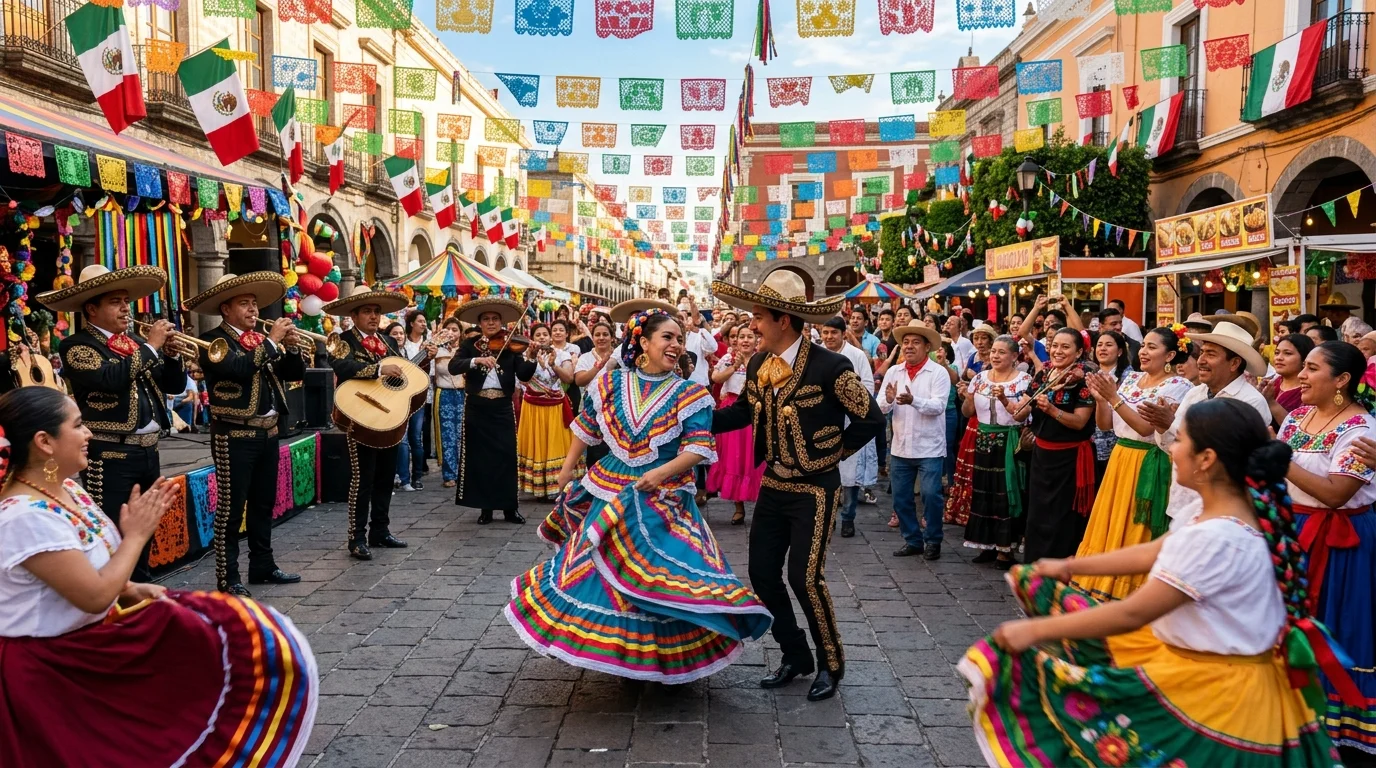
For example, every year on May 5, many communities celebrate with parades, music, traditional Mexican food, dancing, and cultural events that honor Mexican history and heritage.
Today, Cinco de Mayo is celebrated most widely in the United States, where it has become an opportunity to recognize and appreciate Mexican culture and contributions.
In this guide, you’ll learn the Cinco de Mayo meaning, its definition, origin, history, and how it is celebrated in different parts of the world. Whether you’ve heard the phrase at school, in the media, or during community events, this article explains everything in simple and easy-to-understand English.
Meaning & Definition
The Cinco de Mayo meaning is:
A Mexican holiday observed on May 5 that commemorates Mexico’s victory over France at the Battle of Puebla in 1862.
In simple words:
Cinco de Mayo means “Fifth of May” and celebrates an important Mexican military victory.
The holiday is associated with:
- Mexican history.
- Cultural pride.
- Courage.
- Resilience.
- Community celebrations.
- Traditional music and food.
Although it is an important historical event, it is not Mexico’s national independence celebration.
What Does Cinco de Mayo Mean in Simple Words?
In simple words, Cinco de Mayo means “Fifth of May” and remembers Mexico’s victory in the Battle of Puebla.
It is a day that celebrates bravery and determination after a smaller Mexican force defeated a much larger French army.
Many people also use the day to celebrate Mexican culture through festivals, family gatherings, and educational events.
Background and Origin
The phrase Cinco de Mayo comes directly from Spanish.
- Cinco means five.
- De means of.
- Mayo means May.
Together, the phrase literally translates to “Fifth of May.”
The holiday began after the Battle of Puebla, fought on May 5, 1862, when Mexican forces achieved an unexpected victory against French troops.
Although France later continued its military campaign, the Battle of Puebla became a lasting symbol of national unity and resistance.
Cinco de Mayo Meaning in History
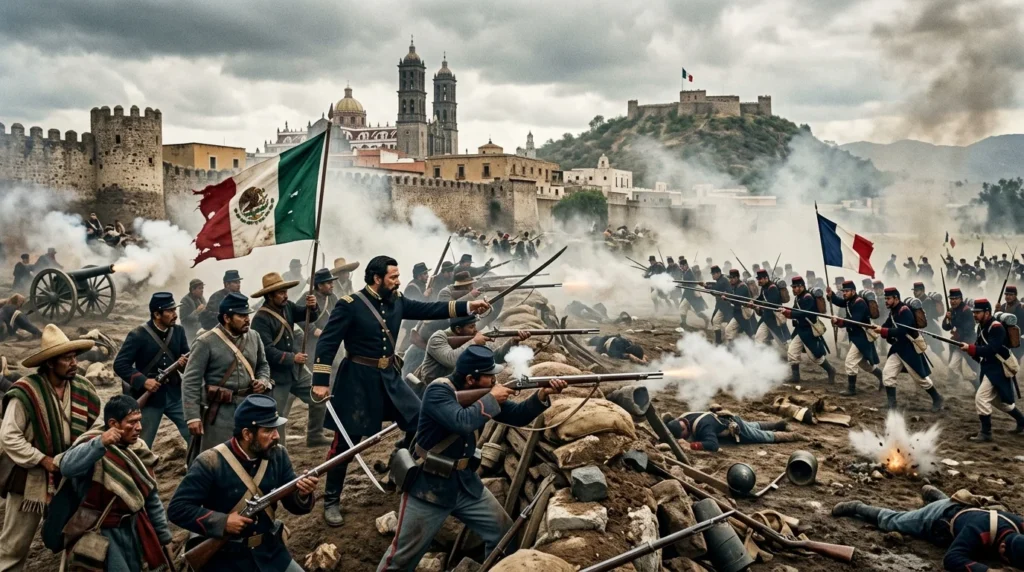
Historically, Cinco de Mayo honors the Battle of Puebla rather than the beginning of Mexico’s independence.
At the time, France attempted to expand its influence in Mexico.
Despite being smaller and less equipped, the Mexican army defeated the French forces at Puebla under the leadership of General Ignacio Zaragoza.
The victory became a source of inspiration and national pride because it demonstrated determination against a powerful opponent.
Today, historians continue to recognize the battle as an important moment in Mexican history.
Is Cinco de Mayo Mexico’s Independence Day?
One of the biggest misconceptions is that Cinco de Mayo is Mexico’s Independence Day.
It is not.
Mexico’s Independence Day is celebrated on September 16, marking the beginning of the country’s fight for independence from Spain in 1810.
Cinco de Mayo, by contrast, commemorates the Battle of Puebla in 1862.
Although both dates are historically important, they celebrate different events.
See Also: Luffy Meaning: Origin, Character & Symbolism Explained
How Is Cinco de Mayo Celebrated?
Today, Cinco de Mayo is celebrated in different ways depending on the country and community.
Common celebrations include:
- Cultural festivals.
- Traditional Mexican music.
- Folk dancing.
- Parades.
- Educational events.
- Family gatherings.
- Authentic Mexican food.
In many schools and communities, the holiday is also used as an opportunity to learn about Mexican history and culture.
Cinco de Mayo Meaning in the United States
Although the holiday originated in Mexico, Cinco de Mayo is often celebrated more widely in the United States.
Communities across the U.S. organize festivals that highlight:
- Mexican traditions.
- Music and dance.
- Local artists.
- Traditional cuisine.
- Cultural heritage.
For many people, the day is a celebration of Mexican-American identity and the contributions of Mexican culture to society.
Cinco de Mayo vs Mexican Independence Day
Many people confuse these two holidays because both are connected to Mexican history.
Cinco de Mayo
- Celebrated on May 5.
- Commemorates the Battle of Puebla (1862).
- Honors Mexico’s victory over French forces.
Mexican Independence Day
- Celebrated on September 16.
- Marks the beginning of Mexico’s fight for independence from Spain in 1810.
- Recognized as Mexico’s national independence holiday.
Understanding this difference helps avoid one of the most common misconceptions about Cinco de Mayo.
See Also: Mashallah Meaning: Definition, Origin & Usage Explained
How to Use Cinco de Mayo in a Sentence
Here are a few simple examples:
- Our school celebrated Cinco de Mayo with cultural activities.
- Cinco de Mayo honors the Battle of Puebla.
- Many cities host parades on Cinco de Mayo.
- We learned about the history of Cinco de Mayo in class.
- Cinco de Mayo is celebrated on May 5 every year.
These examples show how the phrase is naturally used when discussing history and cultural events.
Common Misunderstandings About Cinco de Mayo
A common misunderstanding is that Cinco de Mayo celebrates Mexico’s independence. In reality, it commemorates the Battle of Puebla, not the country’s independence from Spain.
Another misconception is that the holiday is celebrated throughout Mexico on the same scale. While it is recognized nationally, it is observed most prominently in the state of Puebla, where the historic battle took place.
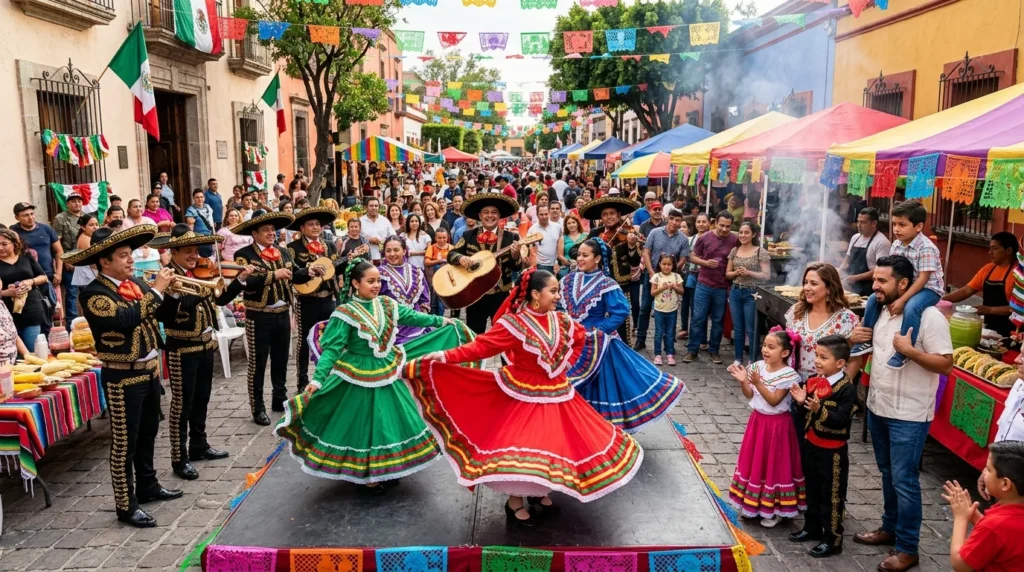
Some people also believe Cinco de Mayo is only about parties. Although celebrations often include music and food, the holiday has important historical and cultural significance.
Why Read Meanings on Punz Trend?
Historical events and cultural celebrations often carry meanings that go beyond their names. Punz Trend explains English vocabulary, cultural traditions, historical events, foreign-language phrases, and everyday expressions with simple definitions, origins, examples, comparisons, and practical usage to make learning enjoyable and easy.
Frequently Asked Questions
What does Cinco de Mayo mean?
Cinco de Mayo means “Fifth of May” in Spanish and commemorates Mexico’s victory at the Battle of Puebla in 1862.
Is Cinco de Mayo Mexico’s Independence Day?
No. Mexico’s Independence Day is celebrated on September 16, while Cinco de Mayo honors the Battle of Puebla.
Why is Cinco de Mayo important?
It celebrates the bravery and determination of the Mexican army after its unexpected victory over French forces.
Where is Cinco de Mayo celebrated?
The holiday is celebrated in Mexico, especially in Puebla, and is widely observed throughout the United States with cultural events and festivals.
What does “Cinco de Mayo” literally mean?
The Spanish phrase Cinco de Mayo literally translates to “Fifth of May.”
Conclusion
The Cinco de Mayo meaning refers to “Fifth of May,” a holiday that commemorates Mexico’s victory over the French army at the Battle of Puebla in 1862. While it is often mistaken for Mexico’s Independence Day, the two holidays celebrate different historical events. Today, Cinco de Mayo serves as a meaningful celebration of Mexican history, resilience, and cultural heritage, bringing communities together through education, traditions, music, and festivities.