Masque Meaning: Definition, History & Beauty Uses
The word masque is an old English term that is most commonly associated with theatrical performances, literature, and history. Many people search for masque meaning after encountering it in books, historical texts, beauty products, or online articles. Although it looks similar to the word mask, the two words are not always used in the same way.
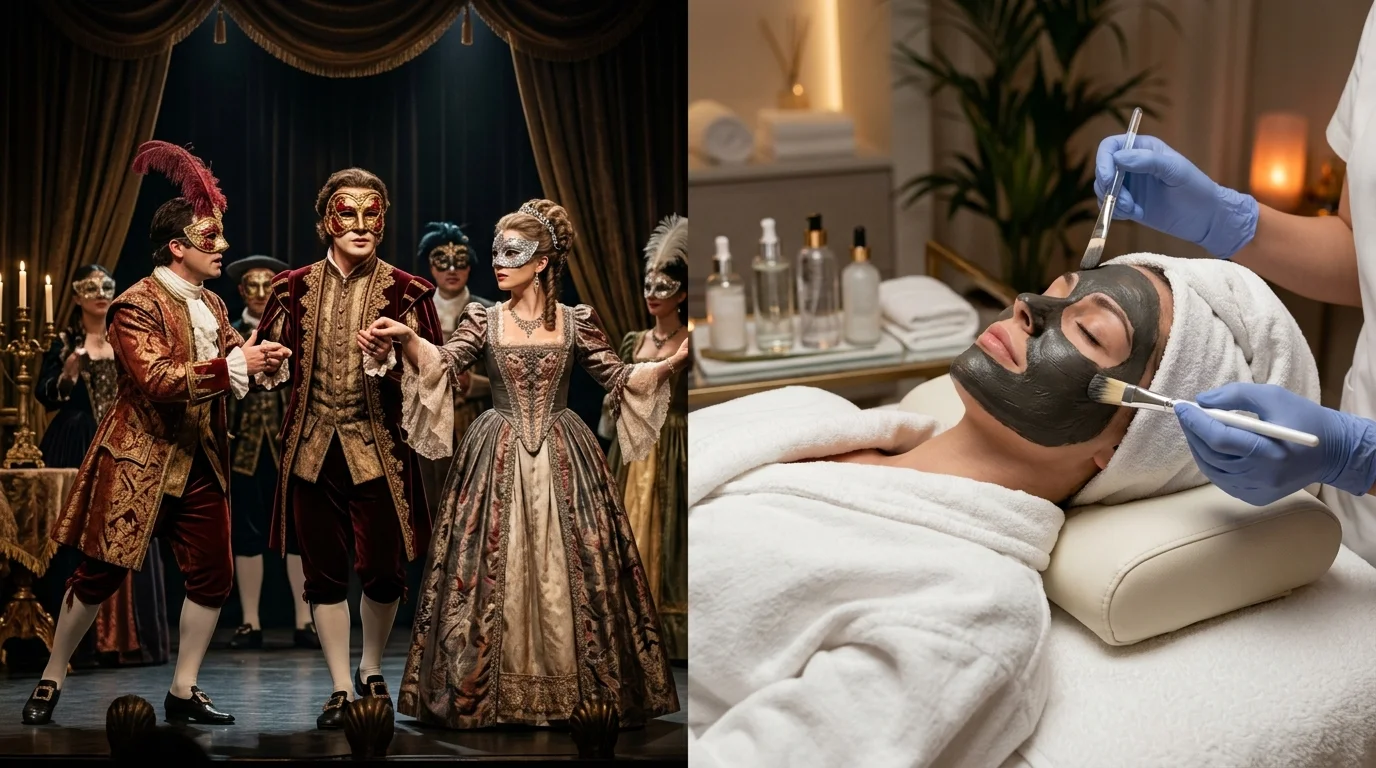
In simple words, masque traditionally refers to a form of dramatic entertainment that combines music, dance, poetry, and elaborate costumes. In modern usage, the word is also commonly used in the beauty industry to describe a facial or hair treatment, though many people now spell it as mask.
Understanding the context is important because masque can refer either to a historical theatrical performance or a cosmetic treatment, depending on where you see the word.
In this guide, you’ll learn the masque meaning, its definition, origin, background, and how it is used in different contexts. Whether you’ve encountered the word in literature, history, theater, or skincare, this article explains everything in simple and easy-to-understand English. For more vocabulary guides and English word meanings, Punz Trend provides clear explanations with practical examples.
Meaning & Definition
The masque meaning depends on the context in which it is used.
Meaning 1: A Theatrical Performance
Traditionally, a masque is a type of theatrical entertainment featuring music, dancing, acting, poetry, costumes, and elaborate stage designs.
These performances were especially popular in England during the 16th and 17th centuries and were often presented for royalty or members of the nobility.
Meaning 2: A Beauty Treatment
In modern beauty and skincare, masque is another spelling of mask, referring to a treatment applied to the face or hair to improve appearance or health.
For example:
- A hydrating facial masque.
- A nourishing hair masque.
Many cosmetic brands continue to use the spelling masque because it gives their products a more elegant or luxurious appearance.
Background and Origin
The word masque comes from the French word masque and the Italian word maschera, both meaning mask or masked entertainment.
It entered the English language during the Renaissance and became the name for elaborate court performances that combined drama, music, dance, costumes, and decorative stage effects.
Centuries later, beauty companies adopted the word masque as a stylish alternative spelling for facial and hair masks. Today, both spellings are accepted, although mask is far more common in everyday English.
Usage in Different Contexts
The meaning of masque changes depending on where it appears.
What Does Masque Mean in Simple Words?
In simple words, masque can mean either an old-style theatrical performance or a cosmetic mask used for skincare or hair care.
Examples:
- The king hosted a grand masque at the royal palace.
- She applied a moisturizing facial masque before bed.
- The salon recommended a deep-conditioning hair masque.
These examples show how the same word can have completely different meanings depending on the context.
Masque Meaning in Literature and History
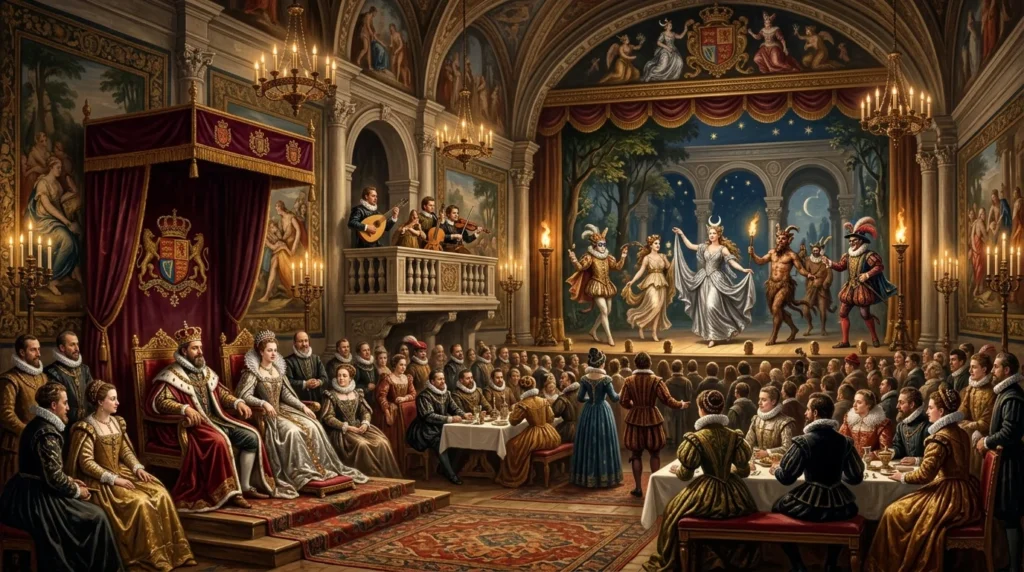
In literature and history, masque refers to a special type of court entertainment that was especially popular during the Renaissance period.
See Also: Ethos Meaning: Definition, Examples & Uses Explained
These performances often included:
- Music.
- Dancing.
- Poetry.
- Acting.
- Lavish costumes.
- Decorative stage designs.
Masques were created to celebrate important occasions such as royal weddings, political events, and festive celebrations. They were designed to entertain wealthy audiences and often carried symbolic or moral themes.
Masque Meaning in Beauty and Skincare

In the beauty industry, masque is commonly used as another spelling of mask. It refers to a skincare or haircare treatment that is applied for a short period before being rinsed off or removed.
See Also: Pars Meaning: Definition, Anatomy & Medical Uses
Facial masques are often designed to:
- Hydrate the skin.
- Remove impurities.
- Brighten the complexion.
- Reduce dryness.
- Improve overall skin health.
Hair masques are used to deeply condition hair, repair damage, and restore moisture. Although many people simply say face mask or hair mask, luxury cosmetic brands frequently use the spelling masque because it gives the product a more elegant and premium appearance.
Masque vs Mask Difference Explained
Many people wonder whether masque and mask mean the same thing.
The answer depends on the context.
- Mask is the standard modern English spelling used for face coverings, theater masks, and most beauty products.
- Masque is an older spelling that mainly refers to historical theatrical performances or is used as a stylish spelling for cosmetic treatments.
For example:
- A surgical mask protects your face.
- A facial masque is a skincare treatment.
- A royal masque was a theatrical performance in Renaissance England.
Although the spellings differ, both words share historical connections.
How to Use Masque in a Sentence
Here are a few simple examples:
- The royal family attended a magnificent masque at the palace.
- She applied a hydrating facial masque before going to bed.
- The salon recommended a nourishing hair masque.
- Historians study masques to understand Renaissance theater.
- The beauty brand launched a new charcoal cleansing masque.
These examples show how masque is used in both historical and beauty-related contexts.
Common Misunderstandings About Masque
A common misunderstanding is that masque is simply a misspelling of mask. While they are related, masque has its own historical meaning as a form of theatrical entertainment.
Another misconception is that beauty brands use the word masque because it represents a different product. In reality, a facial masque and a facial mask usually serve the same purpose. The spelling masque is mainly used for branding or stylistic reasons.
Understanding the context makes it easy to determine which meaning is intended.
Why Read Meanings on Punz Trend?
Many English words have historical meanings that continue to appear in modern language. Punz Trend explains vocabulary, phrases, and expressions with simple definitions, origins, examples, comparisons, and practical usage so readers can improve their English with confidence.
Frequently Asked Questions
What does masque mean?
Masque can mean a historical theatrical performance with music and dance or a cosmetic facial or hair treatment, depending on the context.
Is masque the same as mask?
Not exactly. Mask is the standard modern spelling, while masque is mainly used for historical theater or as a luxury spelling for beauty products.
What is a facial masque?
A facial masque is a skincare treatment applied to the face to hydrate, cleanse, or improve the skin.
Why do beauty brands use the word masque?
Many beauty brands use masque instead of mask because it gives products a more elegant, luxurious, or professional appearance.
How do you use masque in a sentence?
Example: “She used a nourishing hair masque to restore moisture and shine.”
Conclusion
The masque meaning depends on the context. Traditionally, it refers to a dramatic performance featuring music, dance, costumes, and poetry, while in modern beauty and skincare, it refers to a facial or hair treatment similar to a mask. Understanding these two meanings makes it easier to recognize the word in literature, history, and cosmetic products. For more easy-to-understand vocabulary guides and English word meanings, Punz Trend is your trusted source for learning.
See Also: BTS Meaning: Full Form, Text, K-Pop & Behind the Scenes